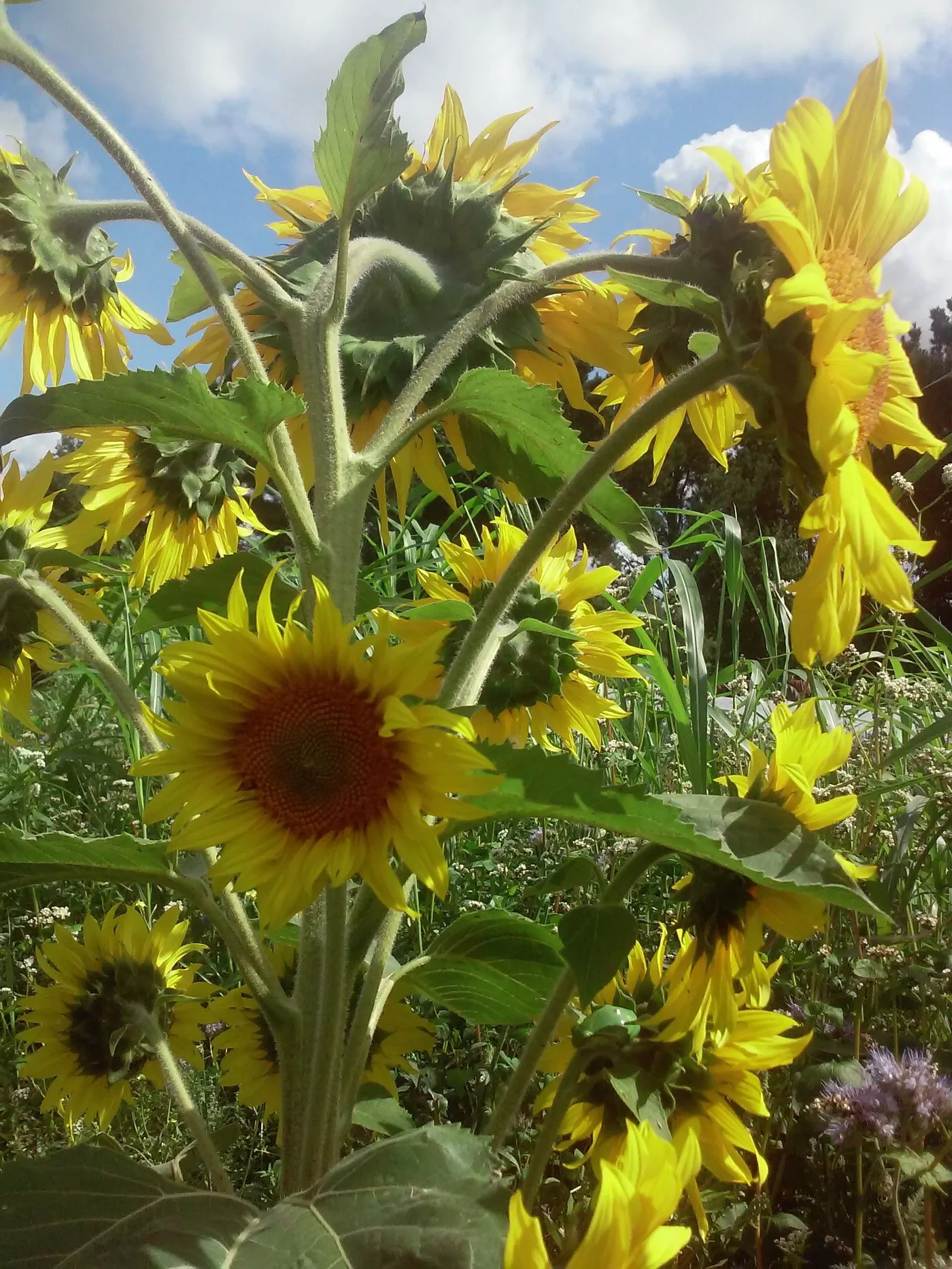
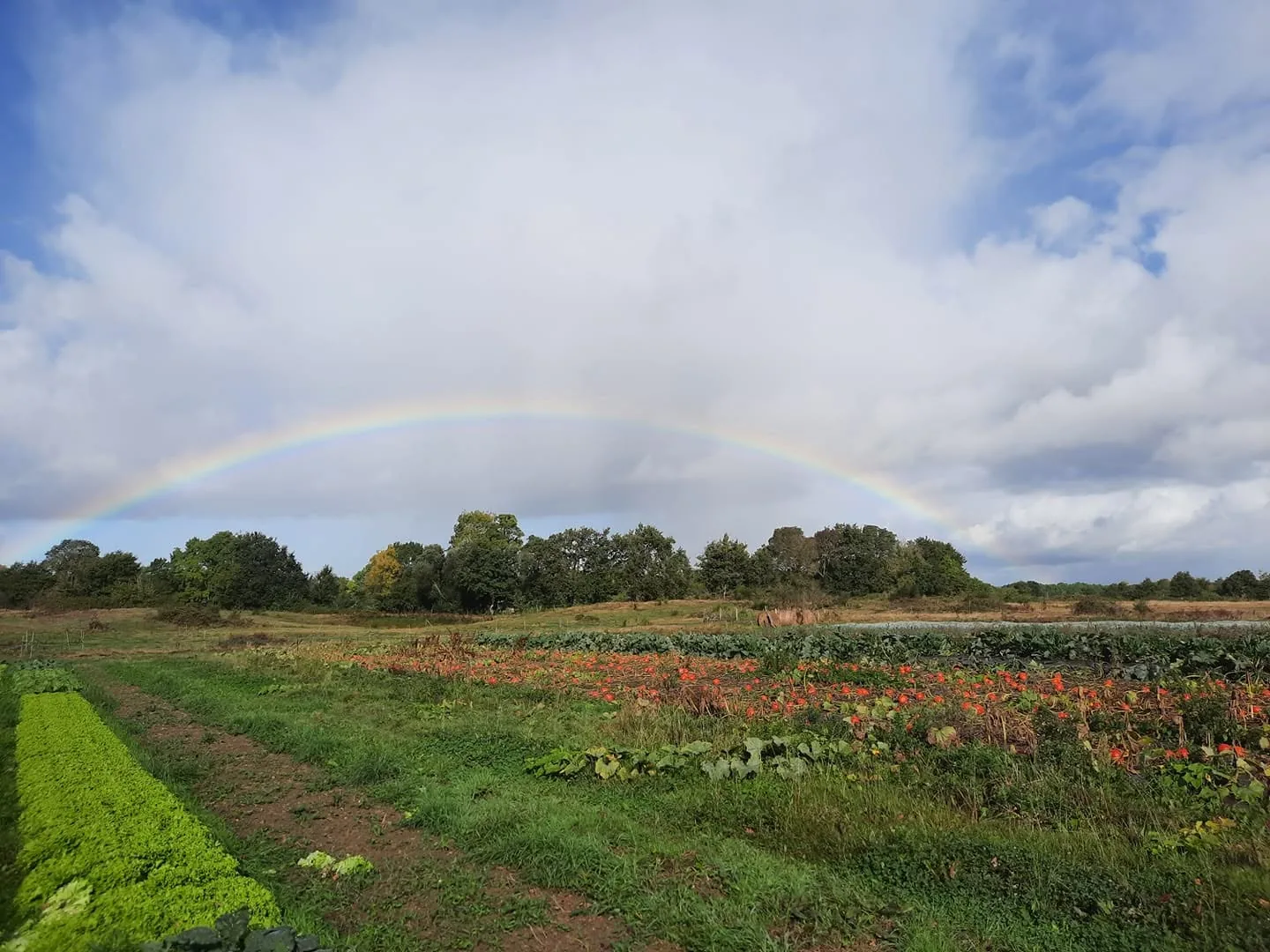
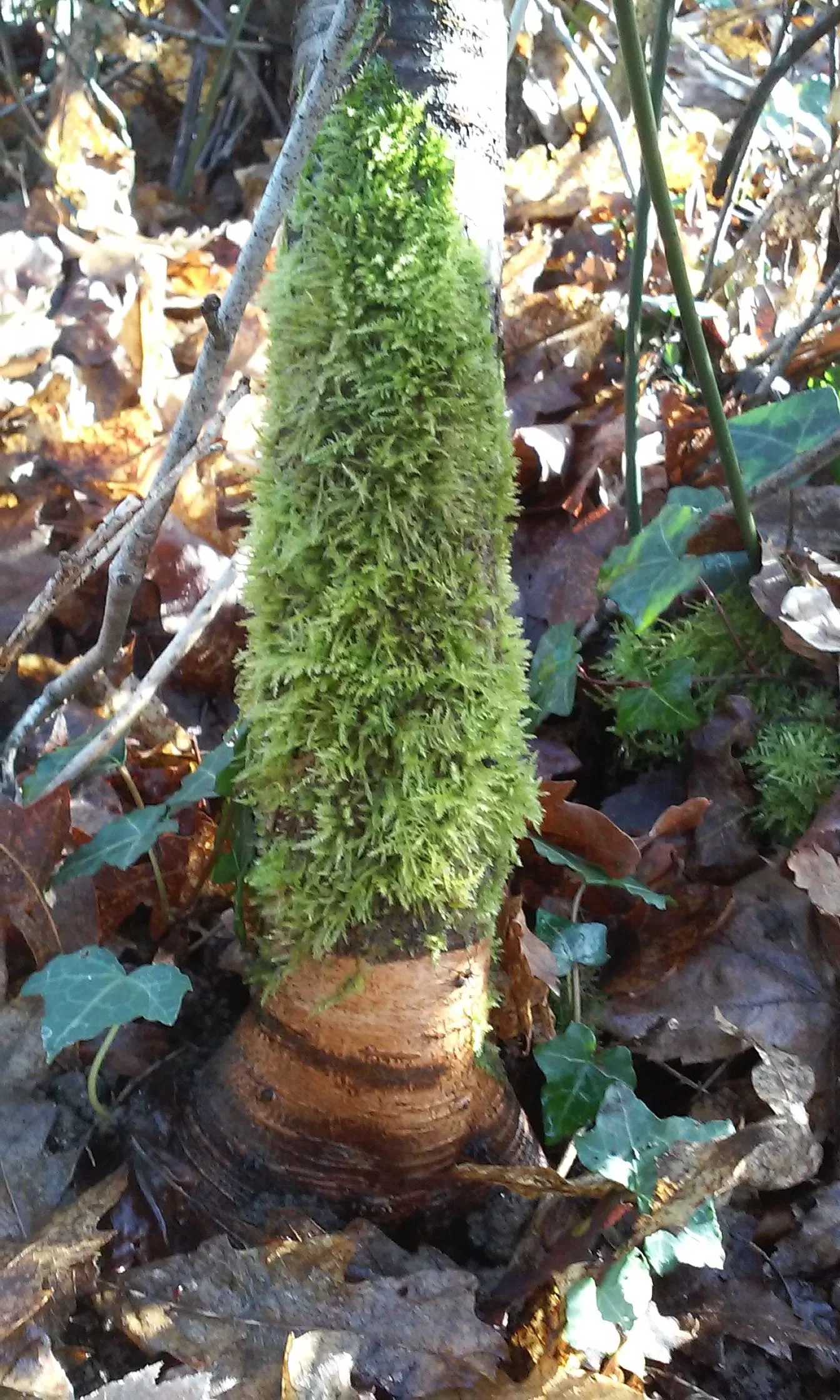
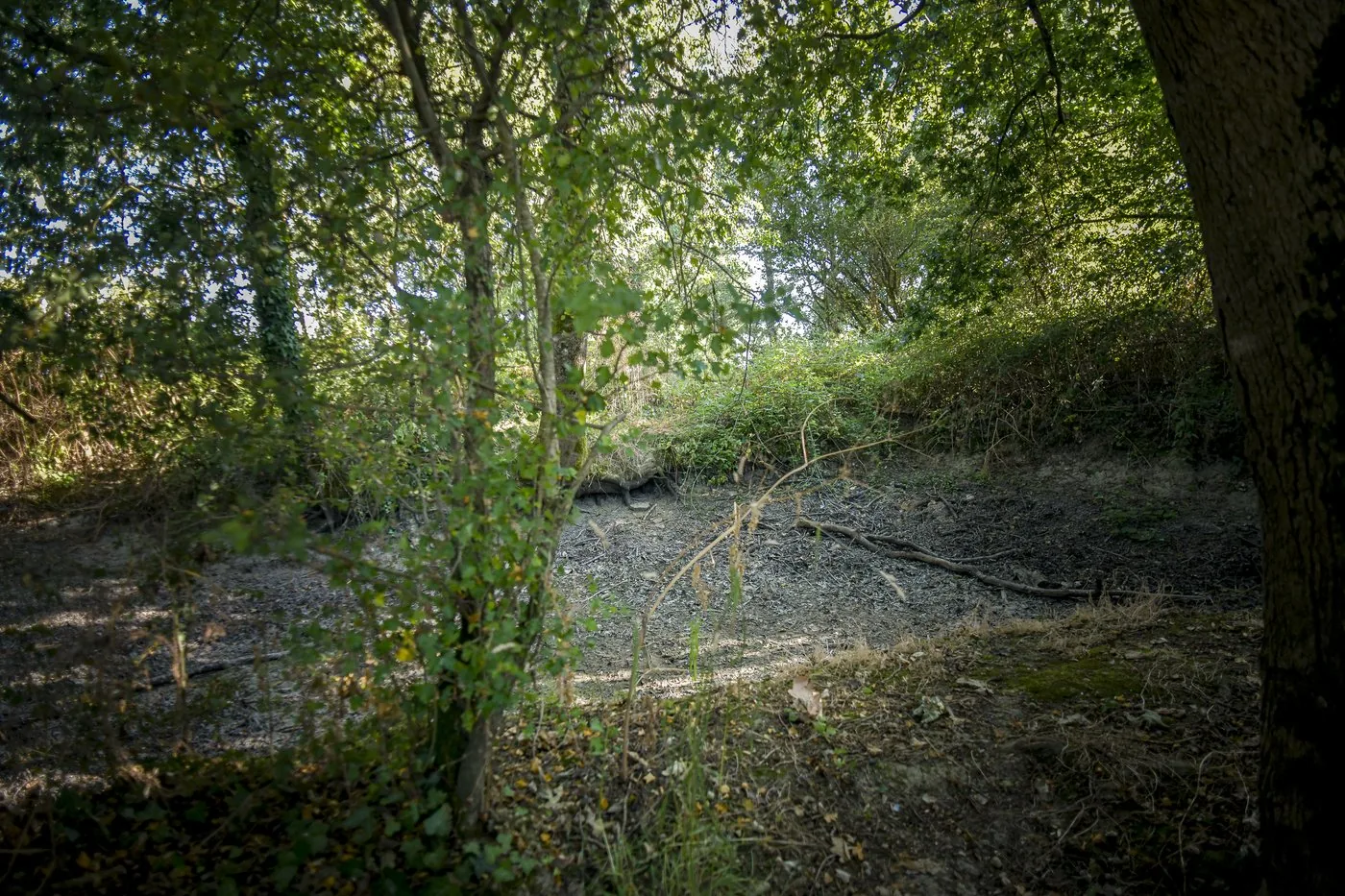
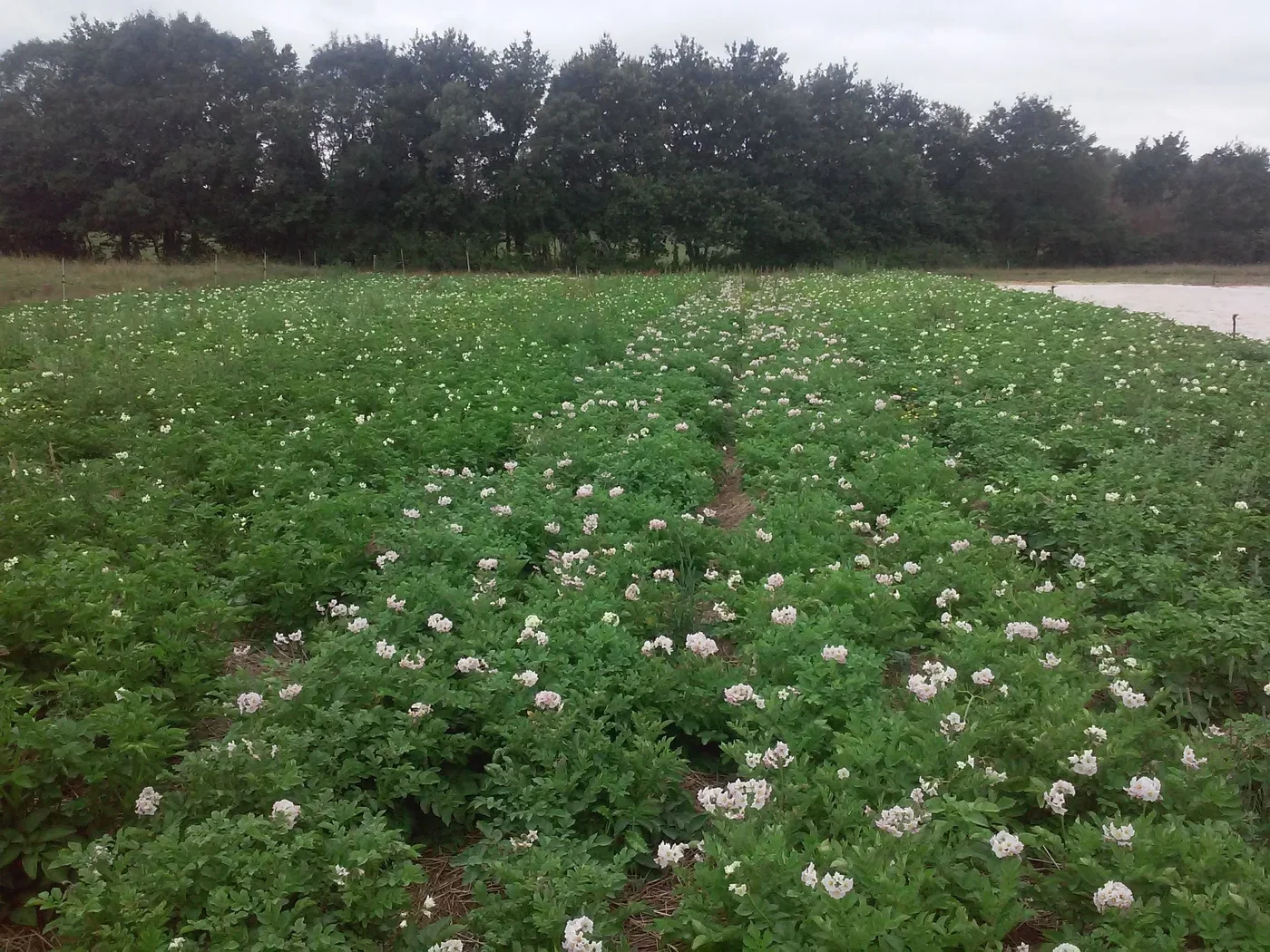
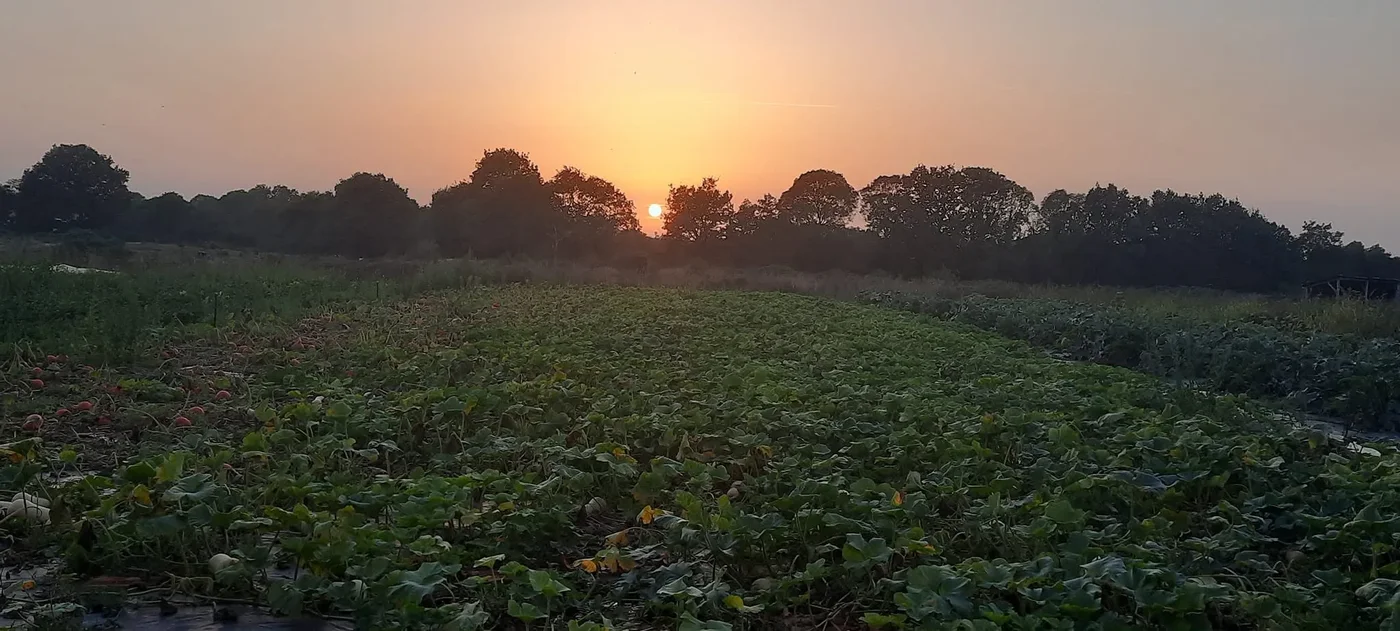
What a lot of changes since 2016! Indeed, between 2007 and 2016, market gardening techniques were fairly conventional: tillage, the use of organic cattle manure, the use of copper for certain crops, hoeing, ridging, a bit of ploughing, cover crops, etc. Standard organic market gardening!

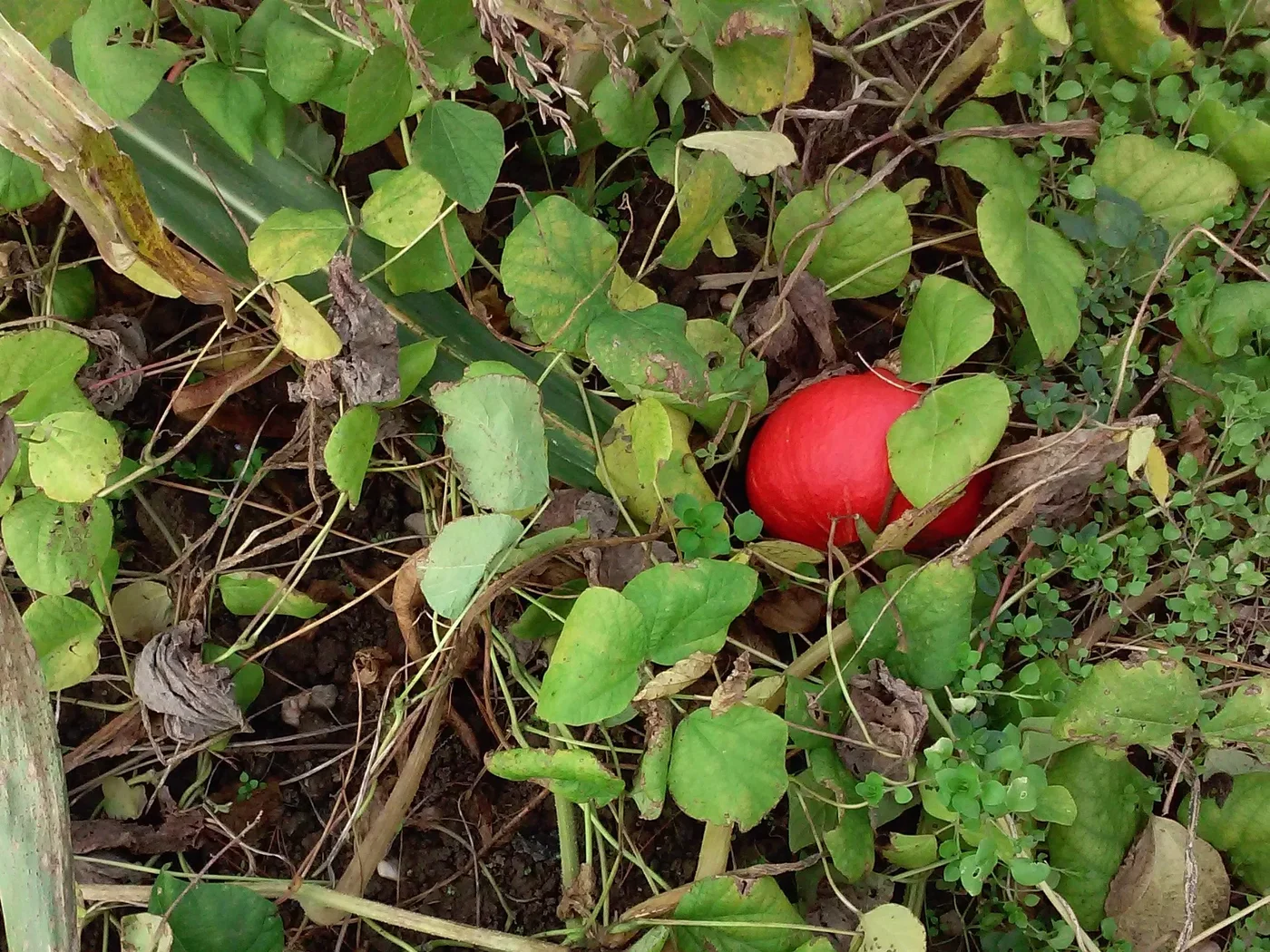
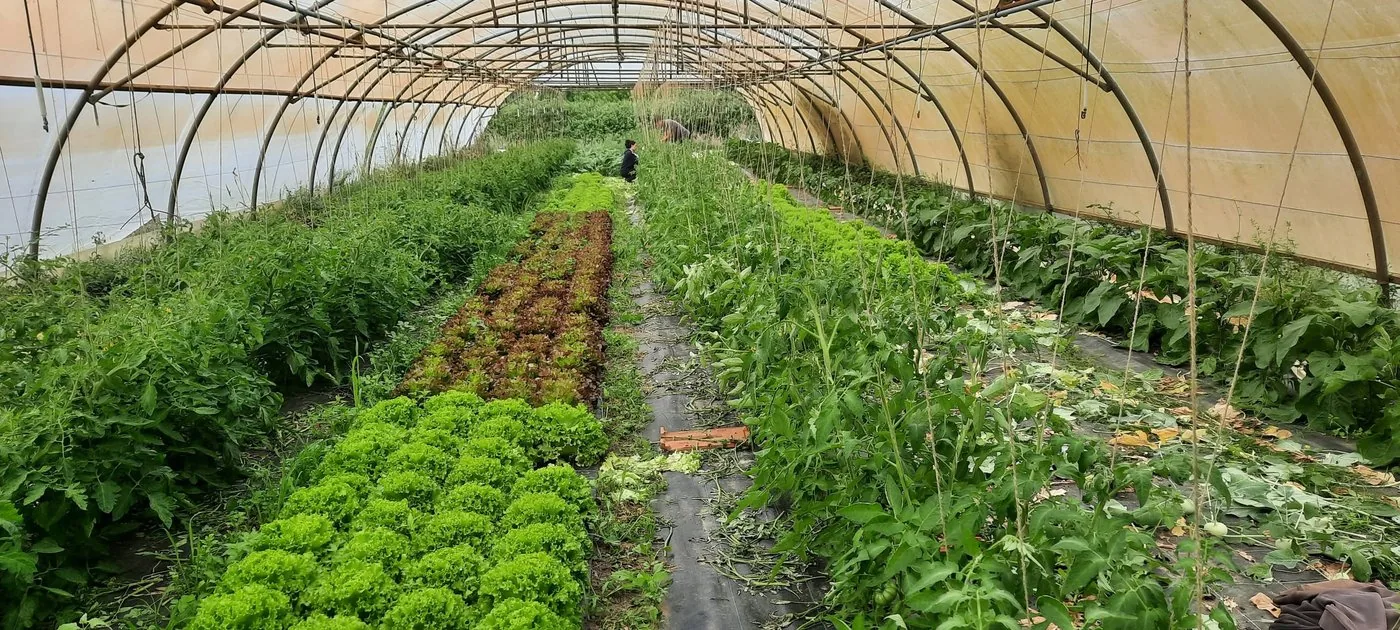
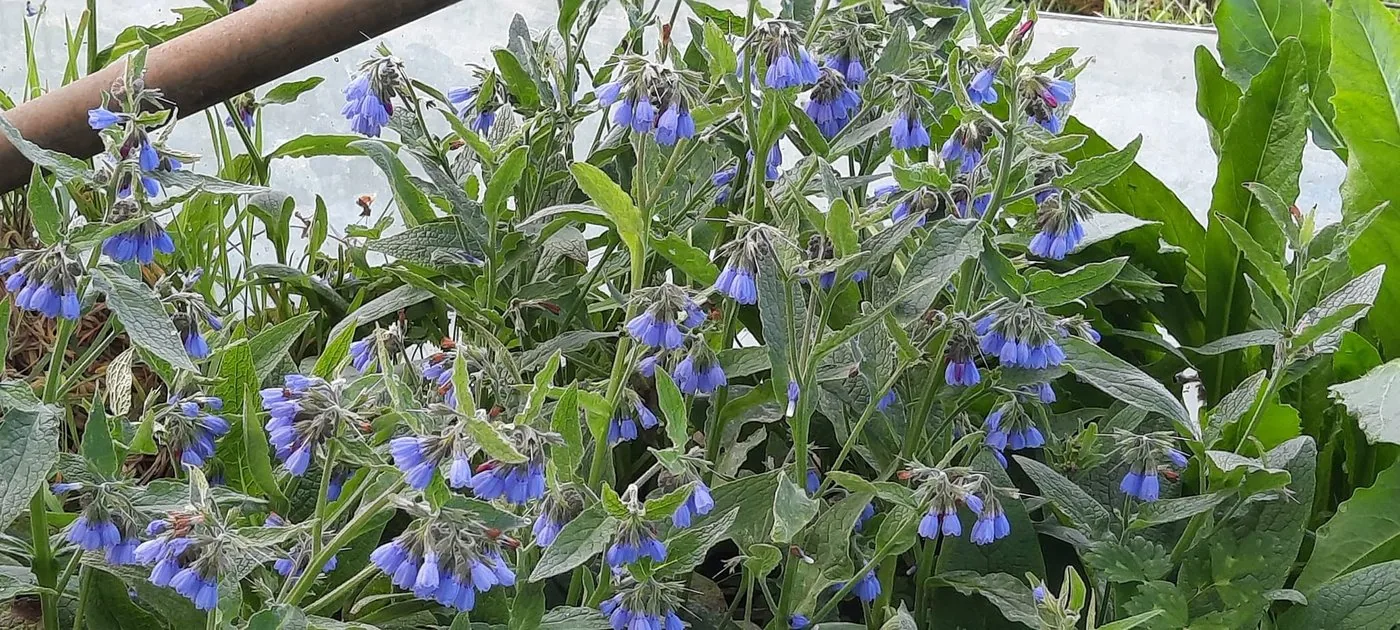
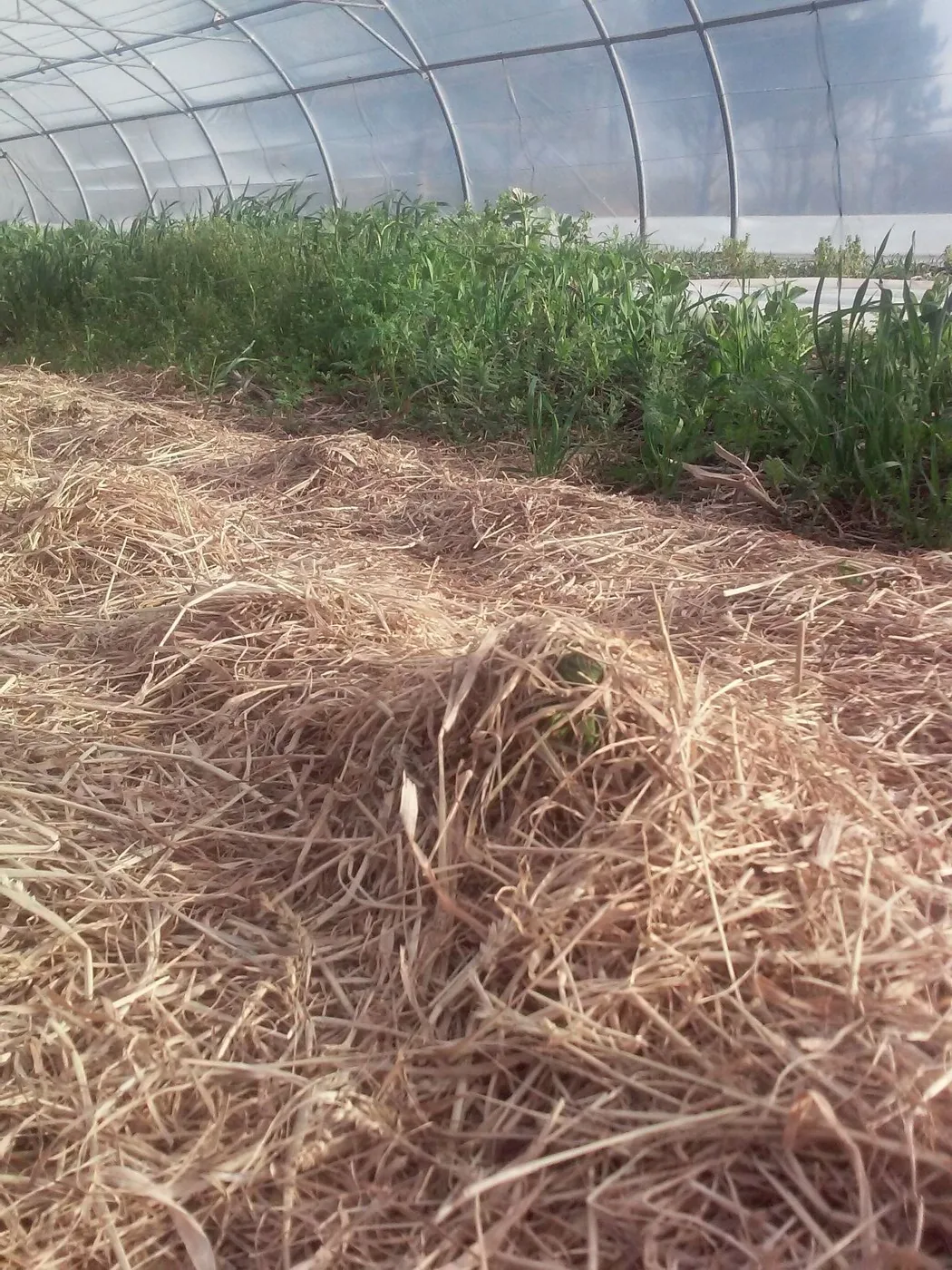
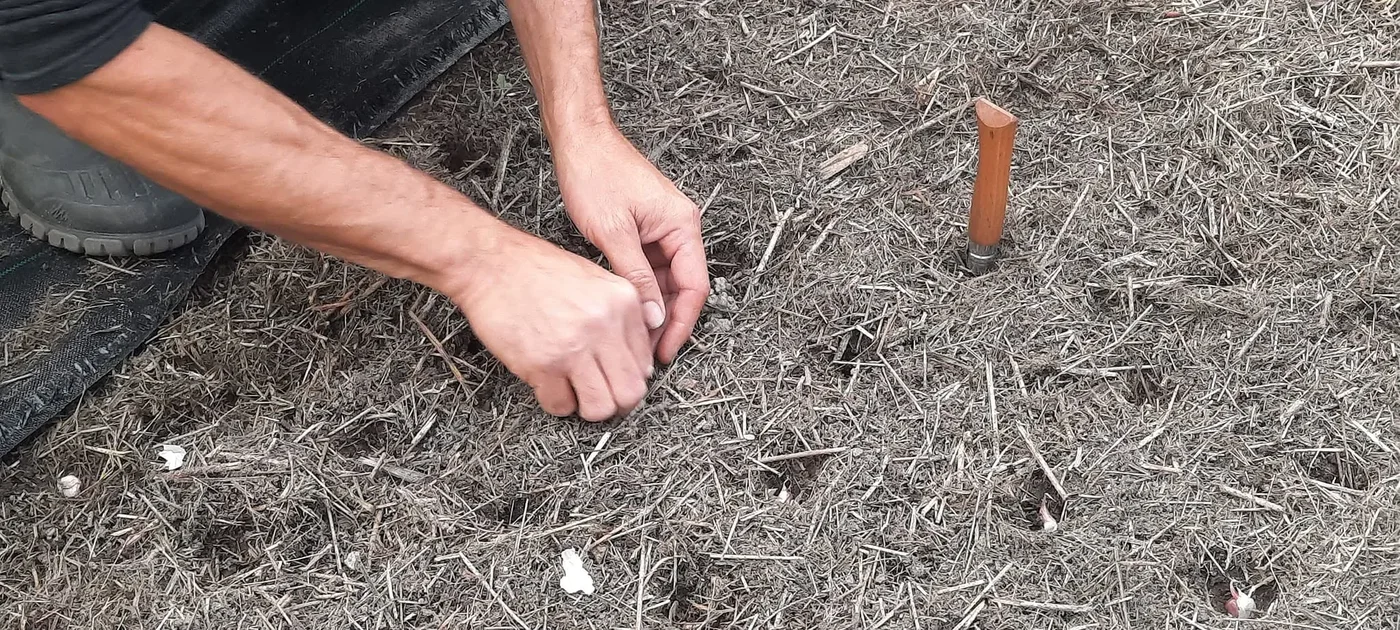
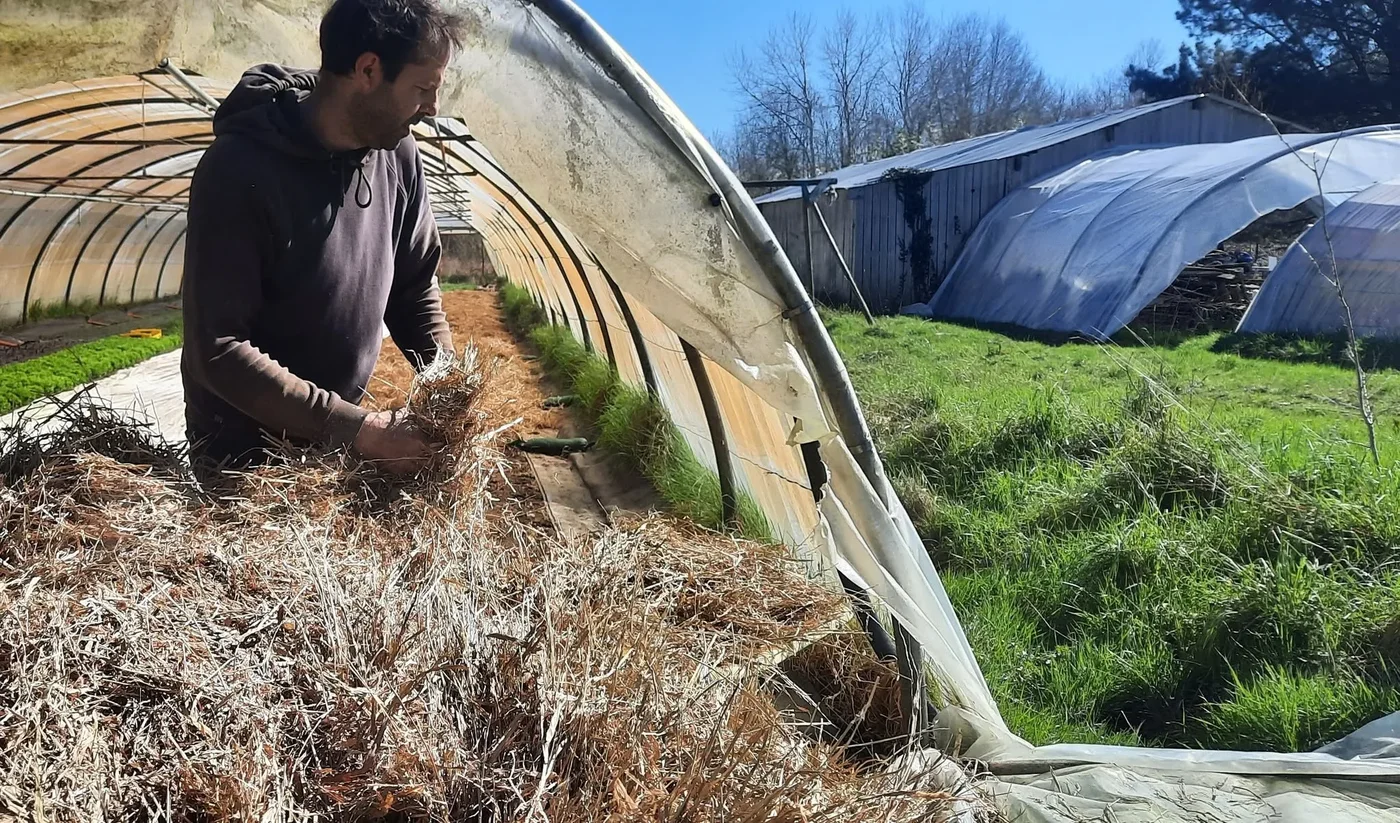
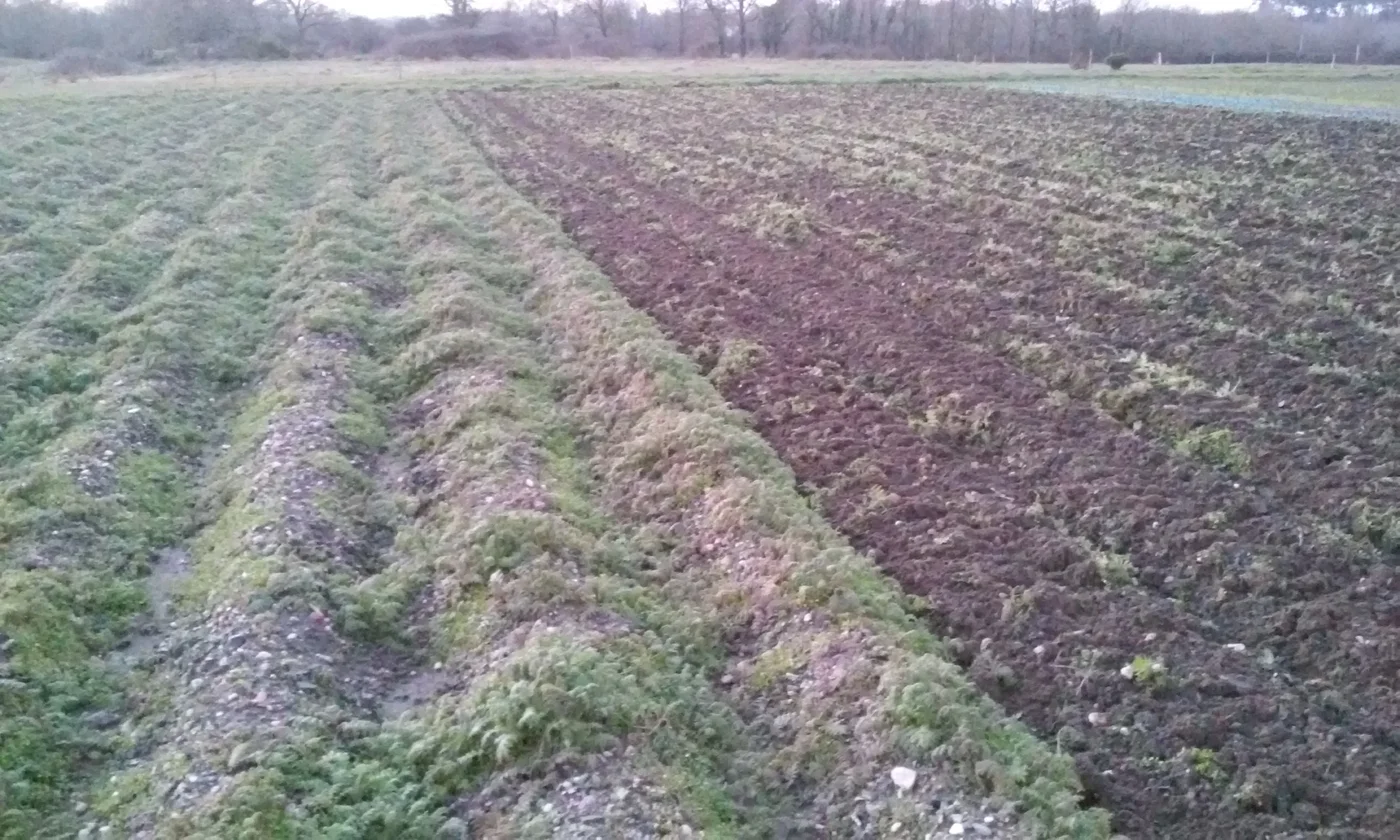
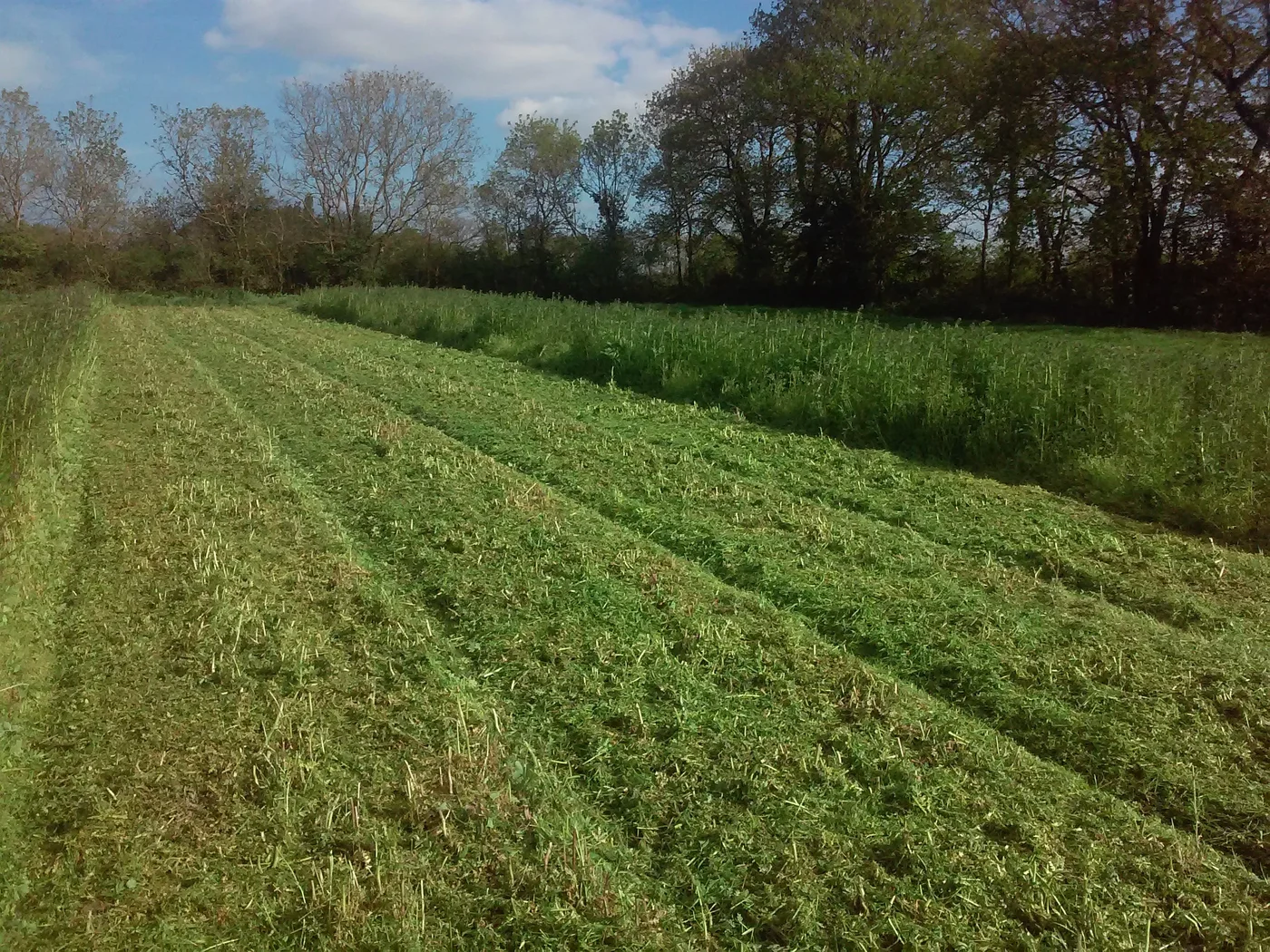
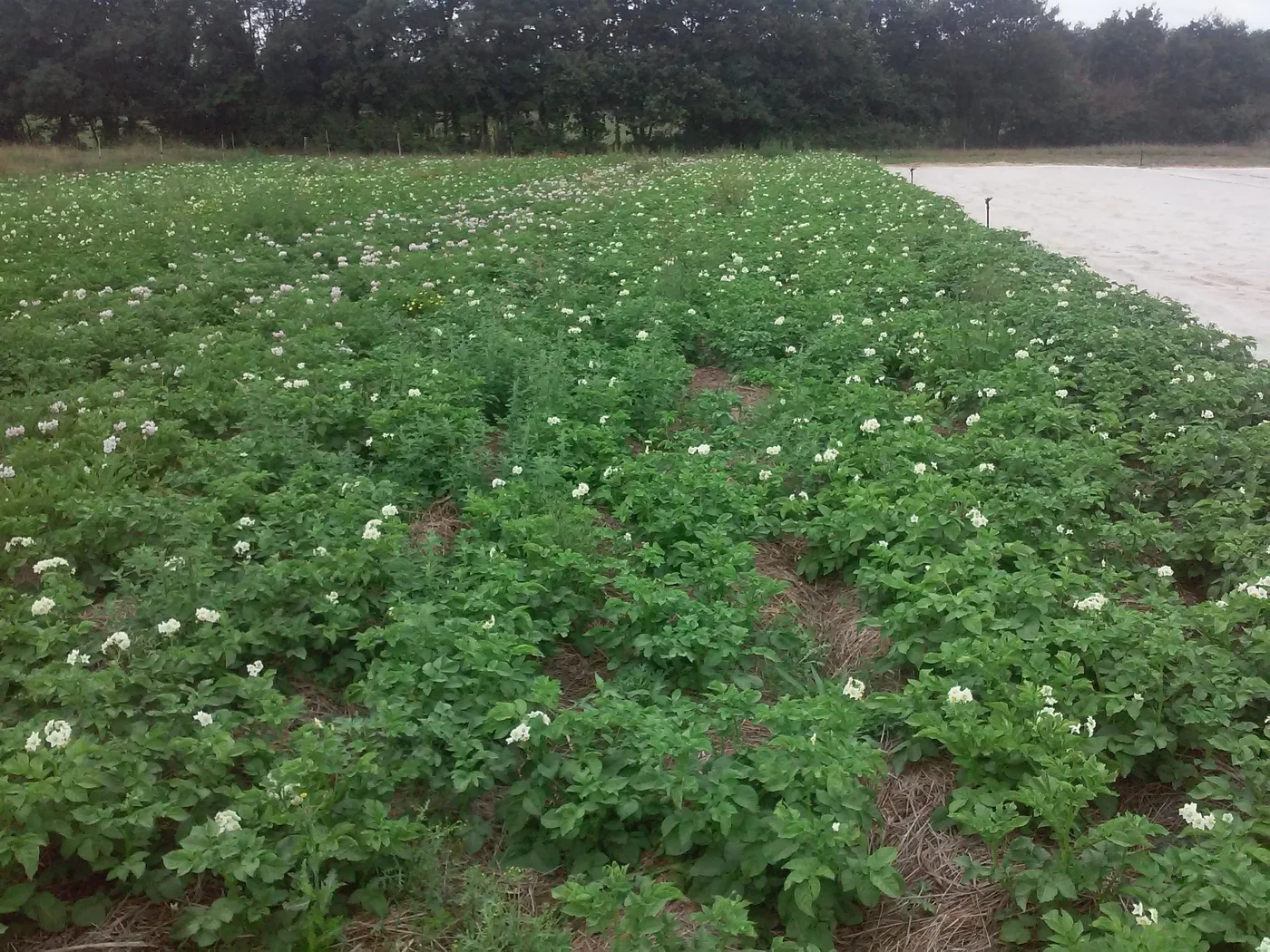
Since 2017 (inspired by the association Market Gardening on Living Soil), the techniques used at Le Jardin de la Bardonnière have changed: we have decided to make even more room for the living creatures that inhabit the garden. To achieve this, we now use only marsh hay as mulch and have reduced mechanical tillage. Mulch provides a home for many small creatures and protects the soil.
Reducing mechanical tillage helps to preserve the habitats of soil-dwelling creatures and improves the storage of water and organic matter in the soil. We’ve also stopped using copper on our crops, which means even more life in the soil! We’ve been using these practices for over nine years now, and we’re sticking with them!
Your vegetables grow in an environment teeming with life, and we hope they nourish you all the better for it!
Quite naturally and quite obviously, we joined the network Paysans de Nature, which originated here in the north-west of the Vendée.
As members of several local associations since 2007 – which we have seen come into being and grow, such as the Collectif Court Circuit and Gens du Bocage et du Marais – we have taken part in collective discussions with fellow farmers in the Marais Breton Vendéen.
How, as farmers, can we minimise our impact on the land we cultivate? Is it even possible?
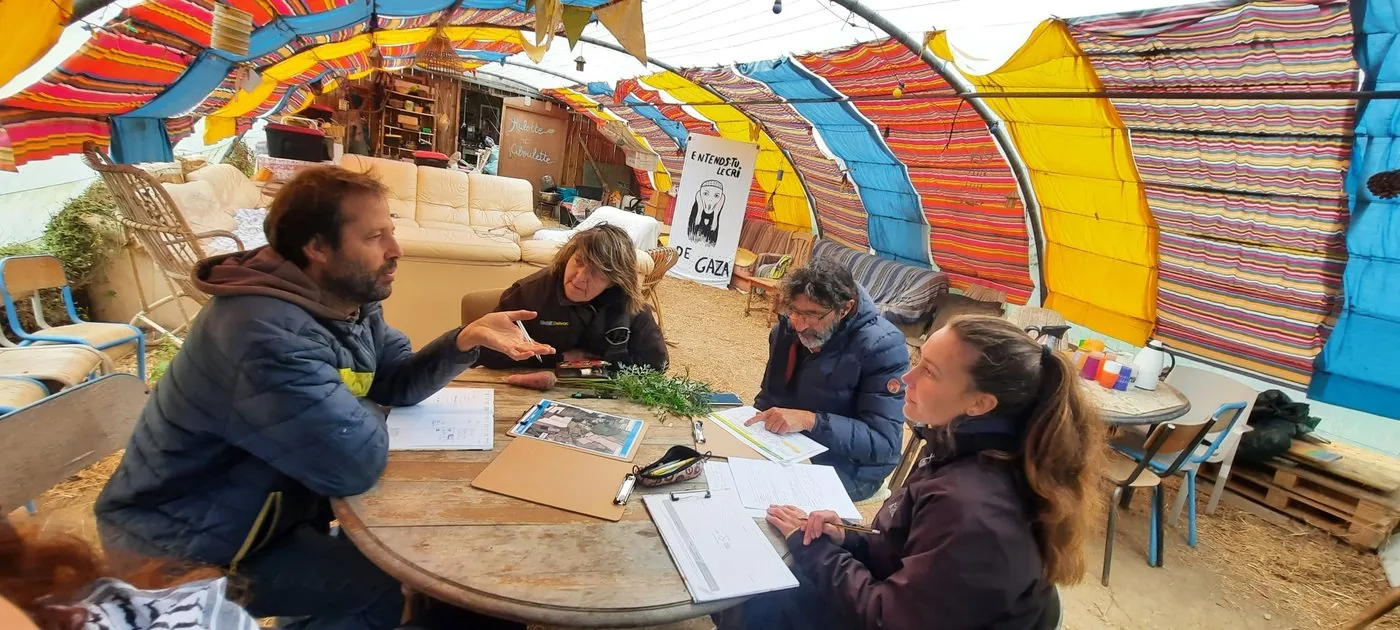
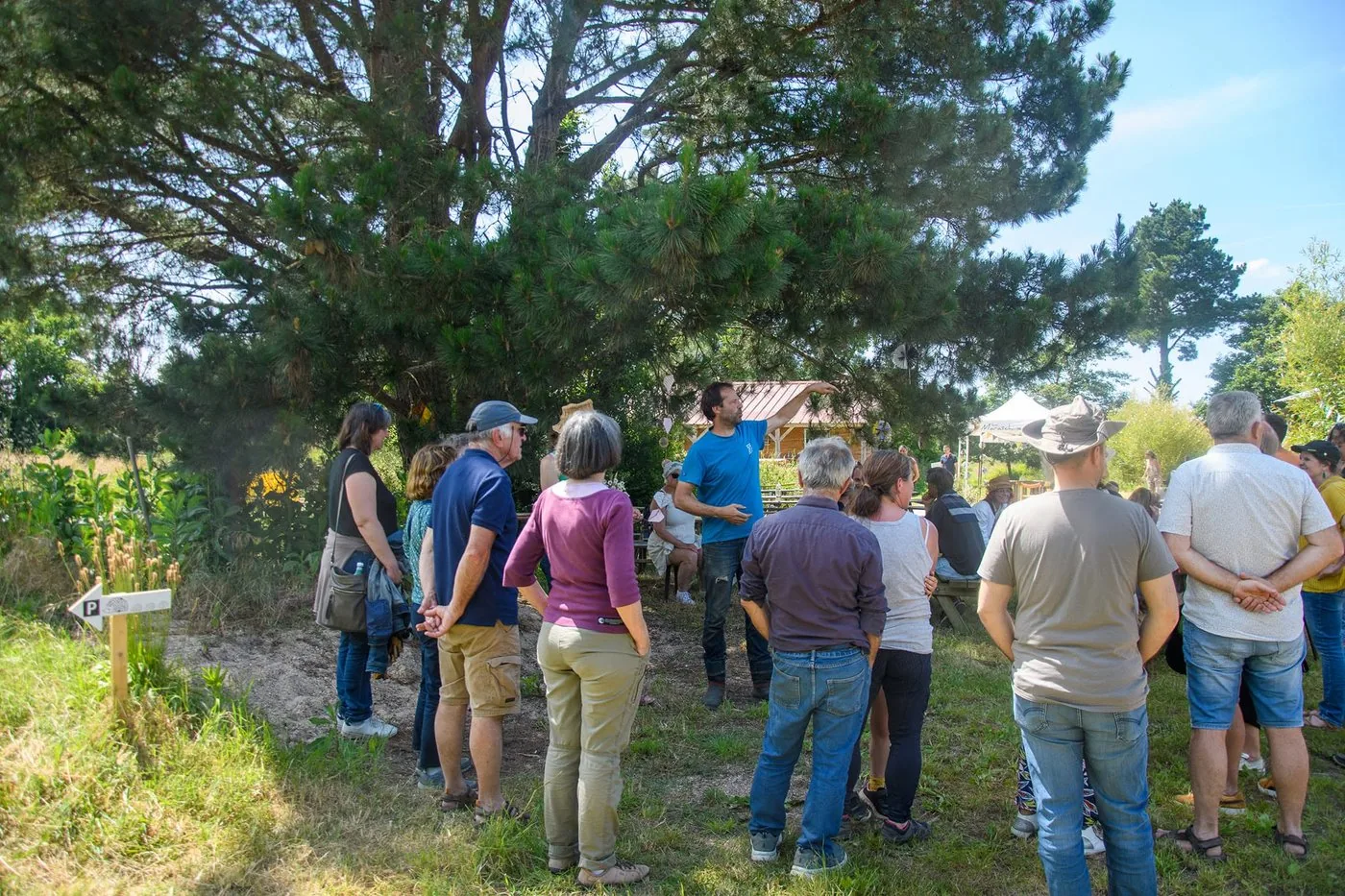
Our reflections have led us to create spaces for exchange and discussion between farmers and other local residents by visiting farms and examining our practices.
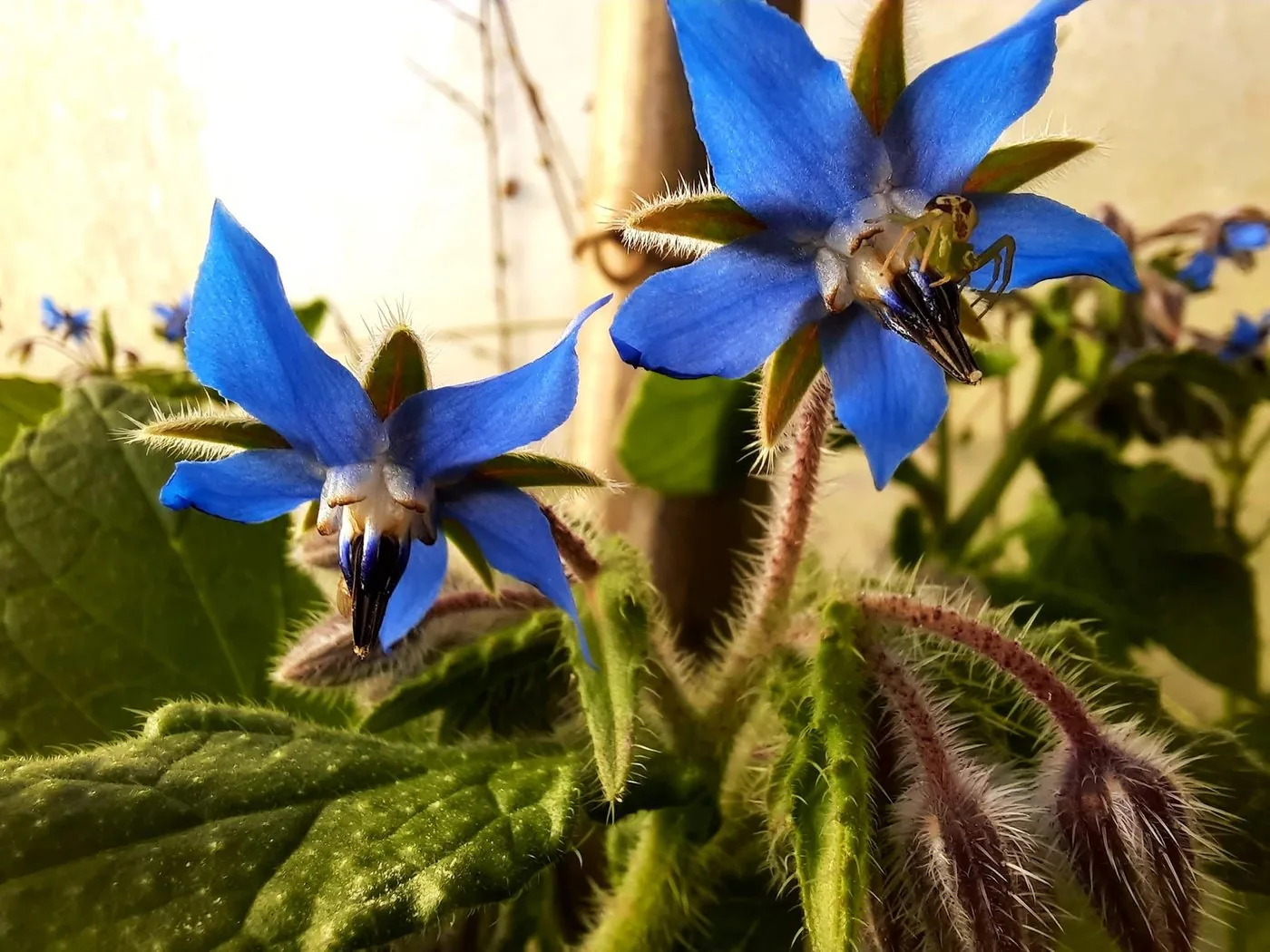
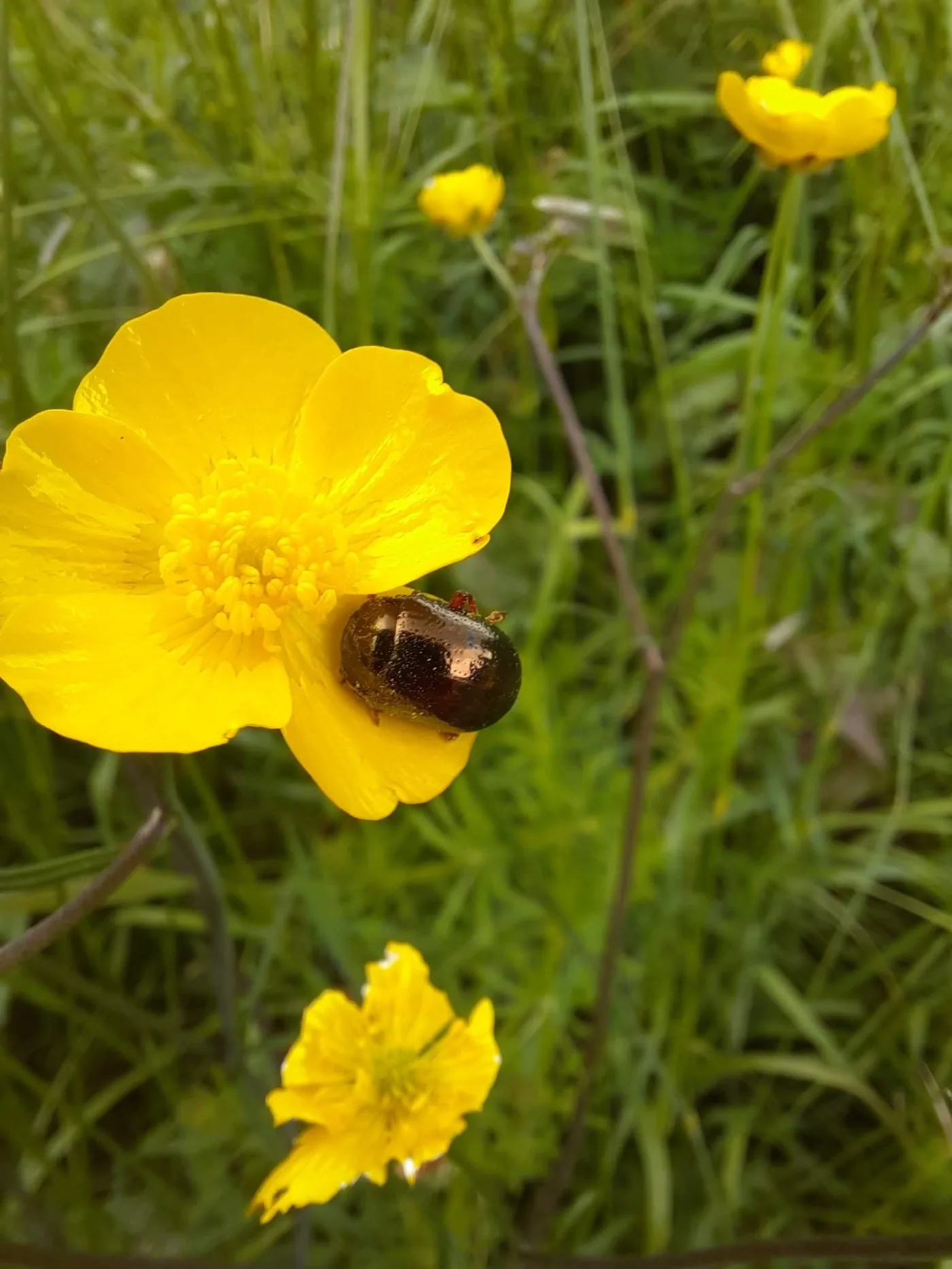
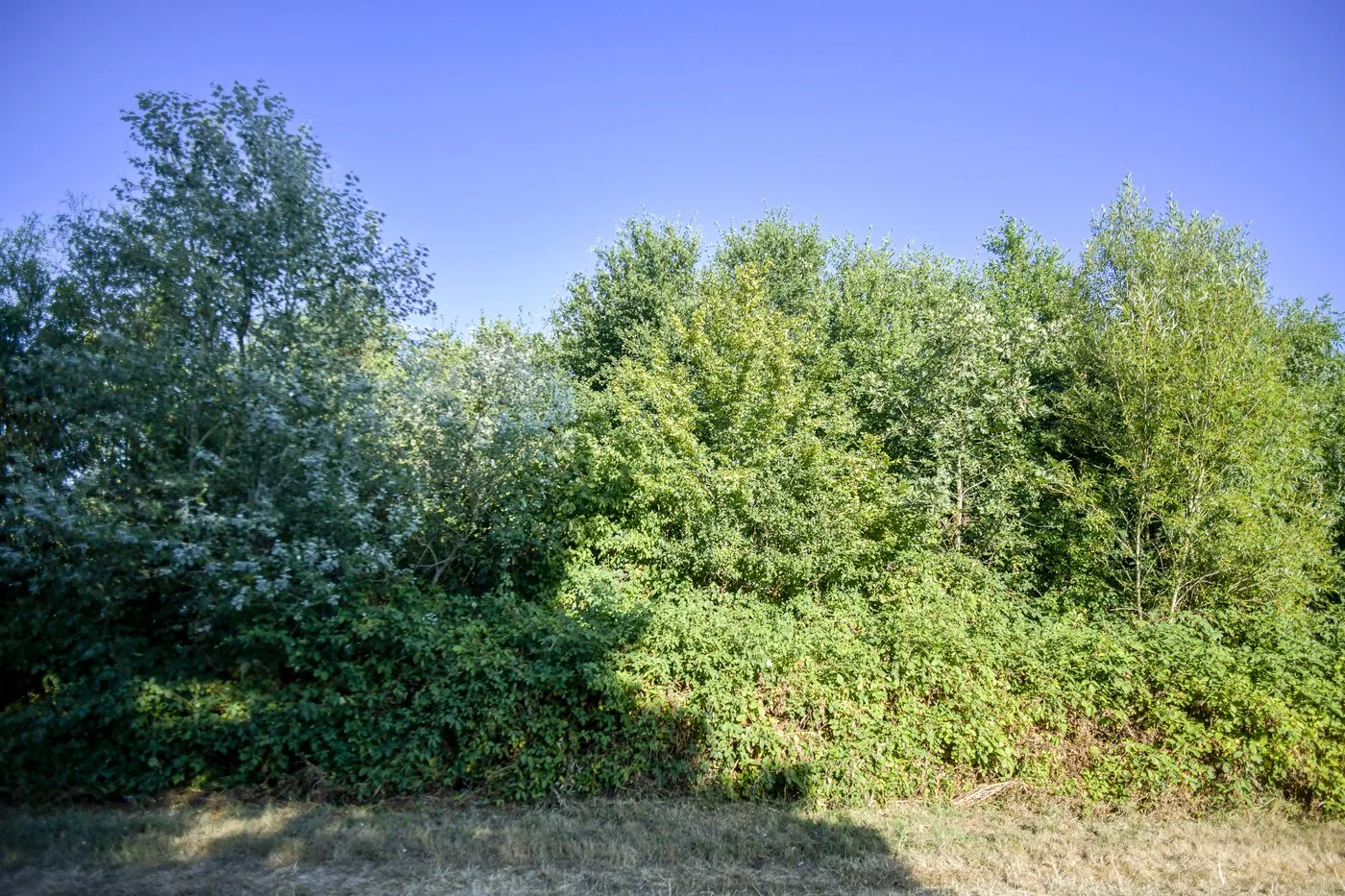
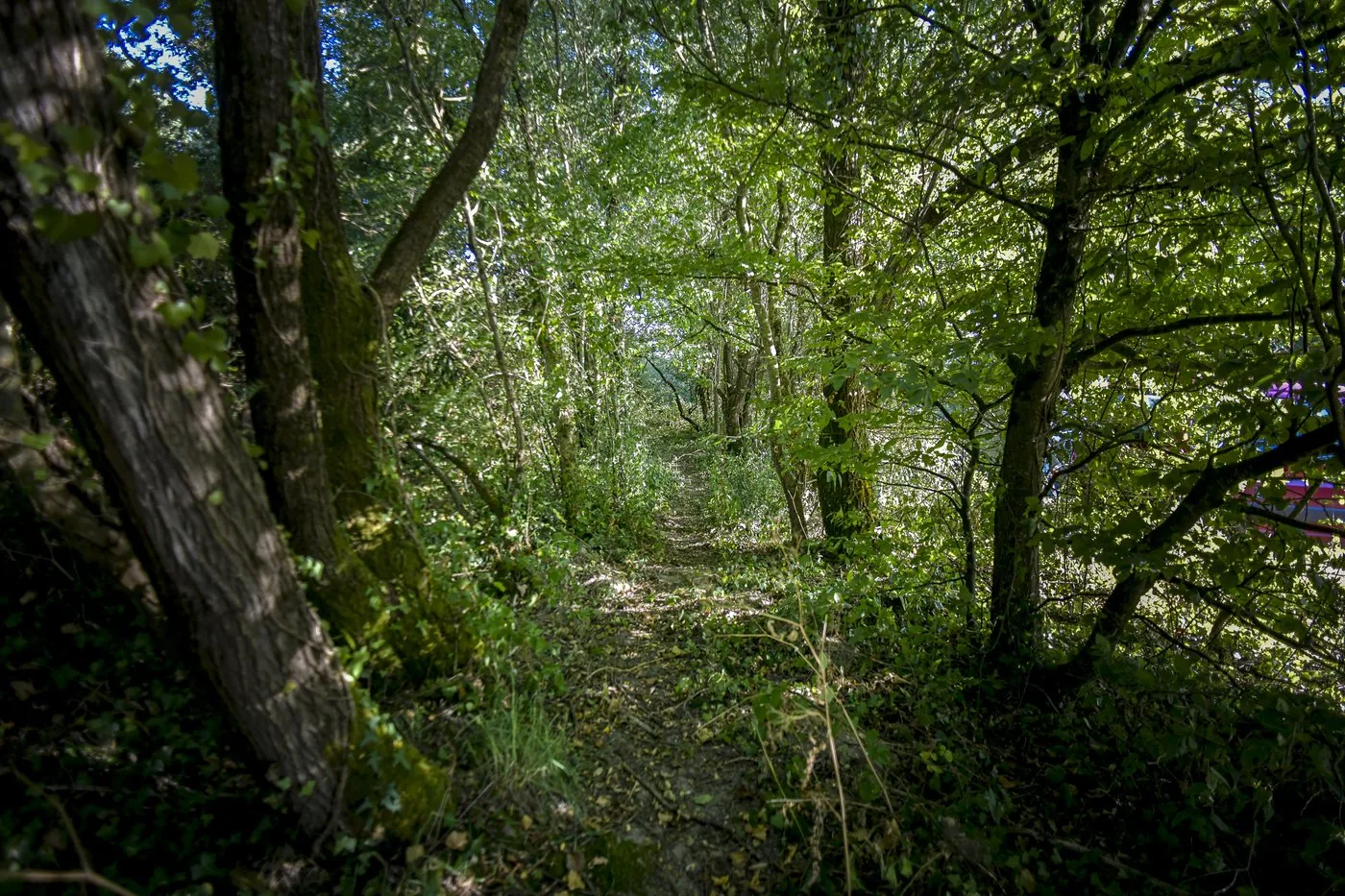
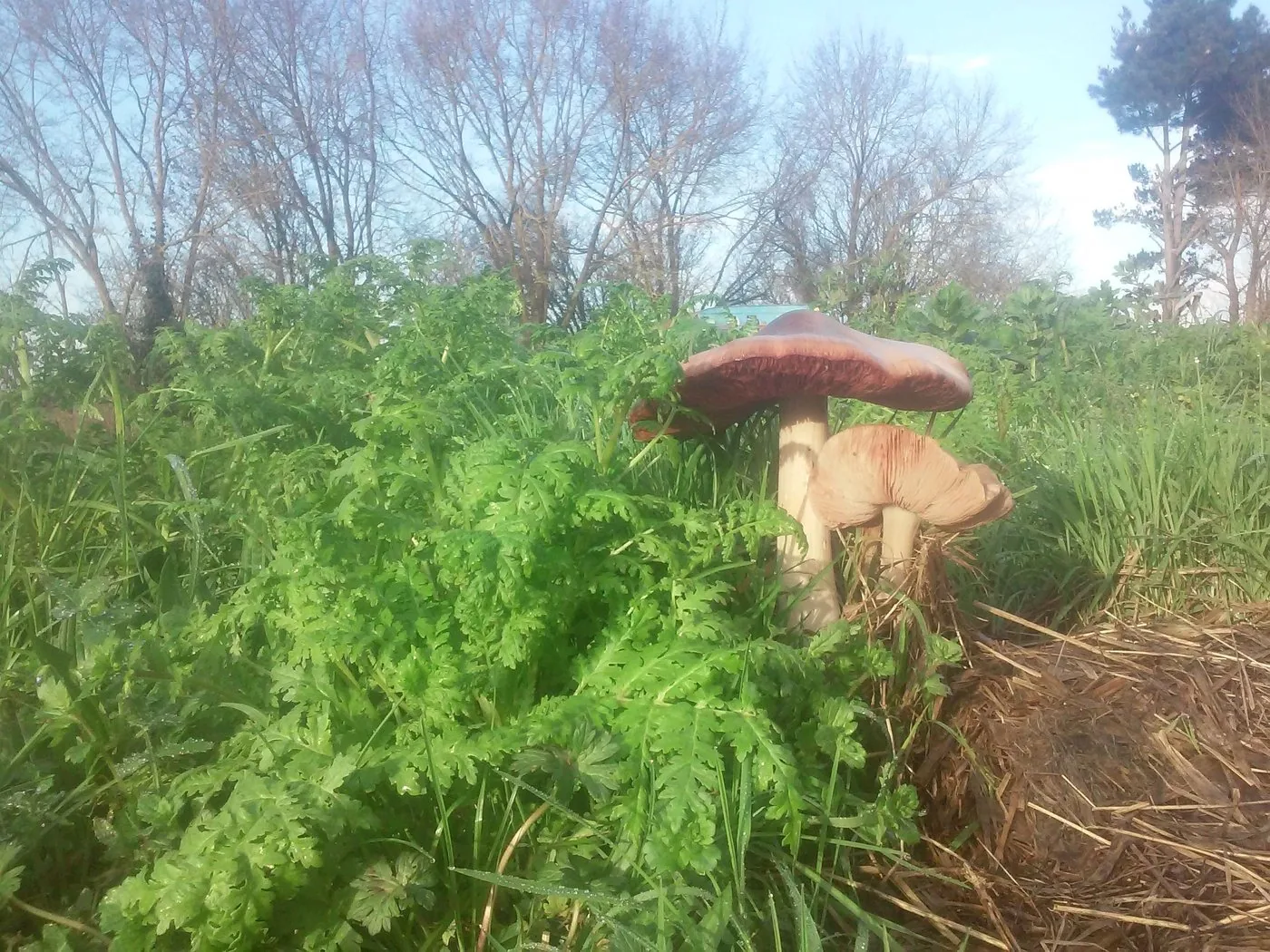
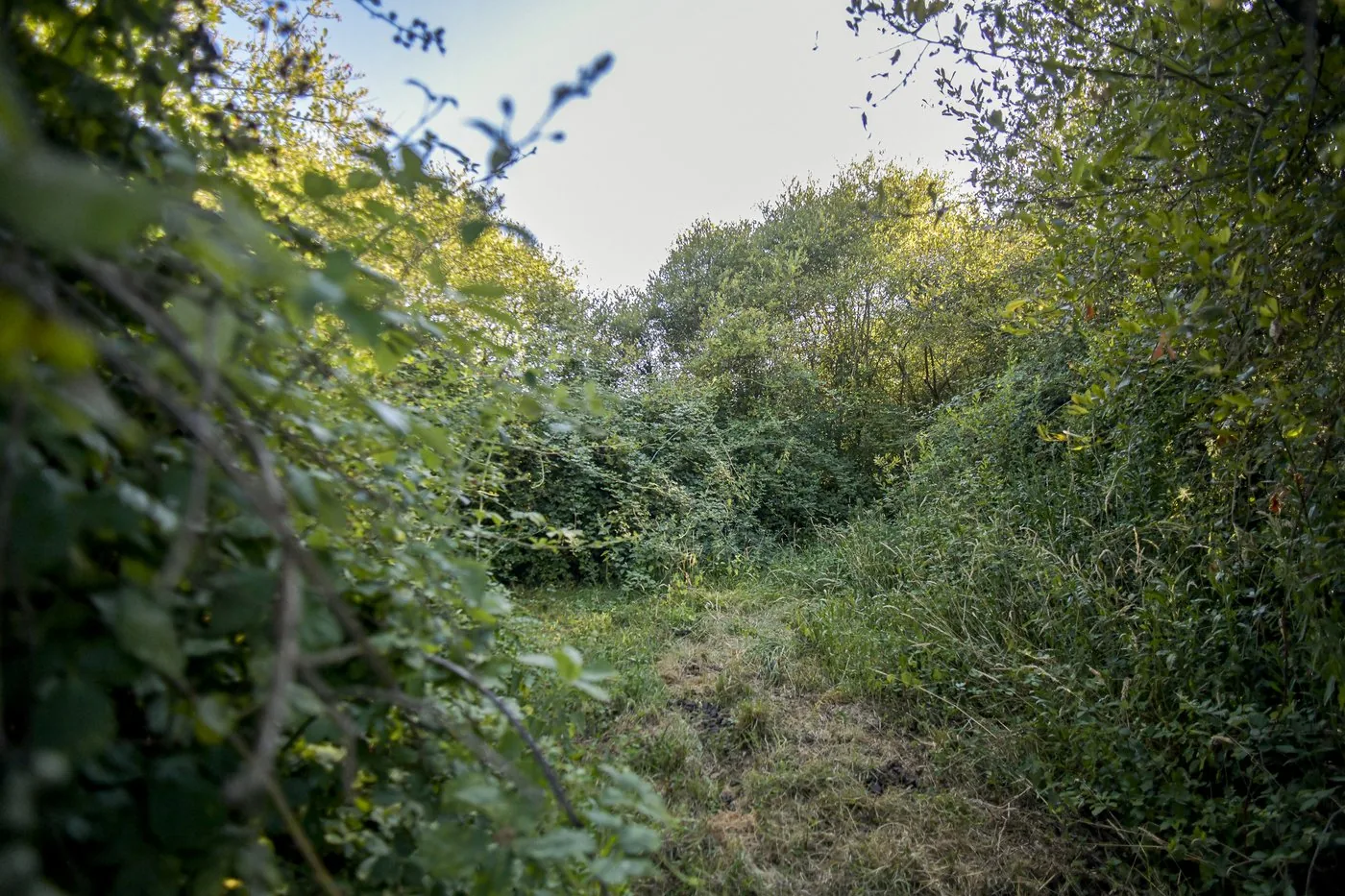
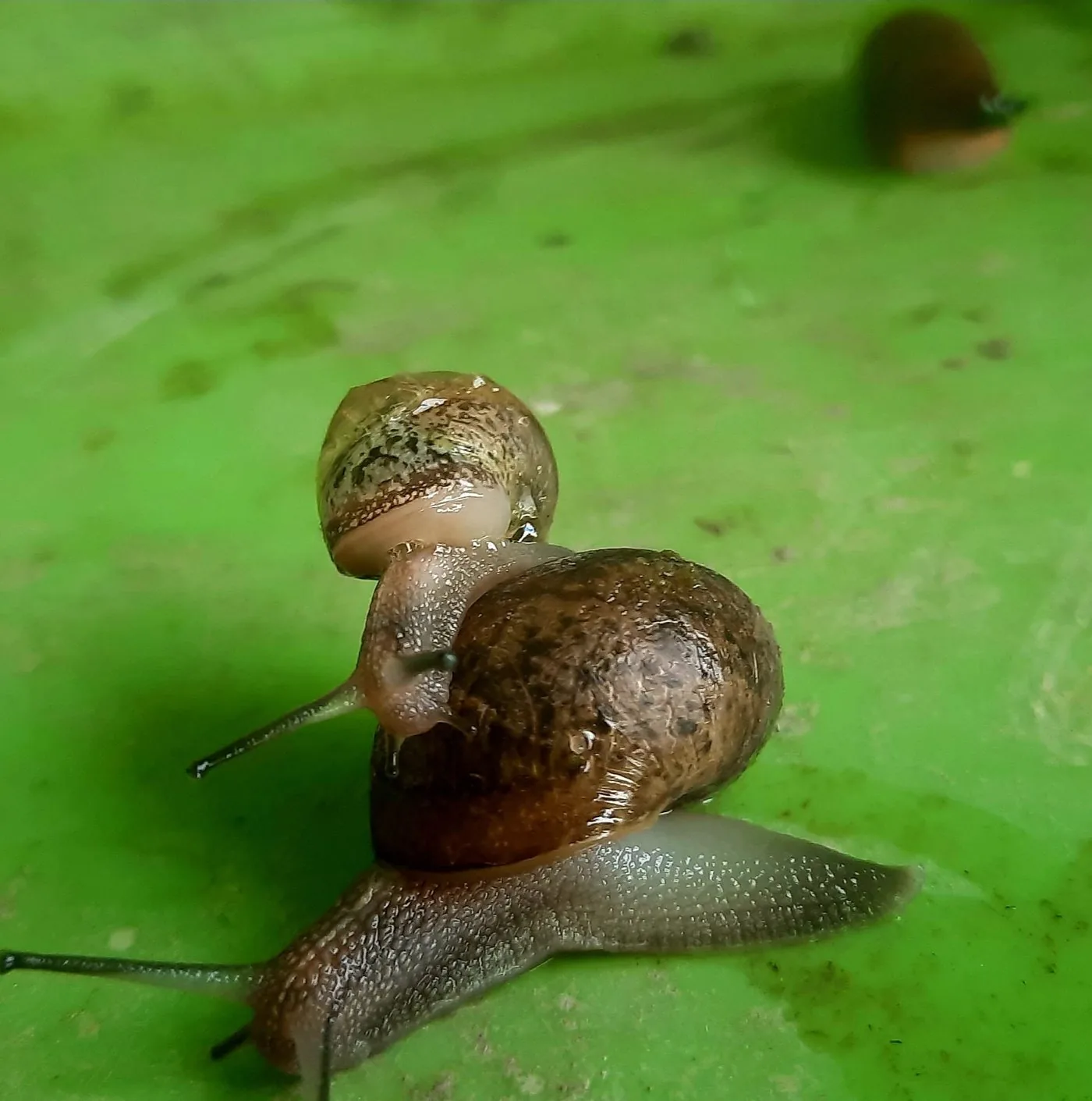
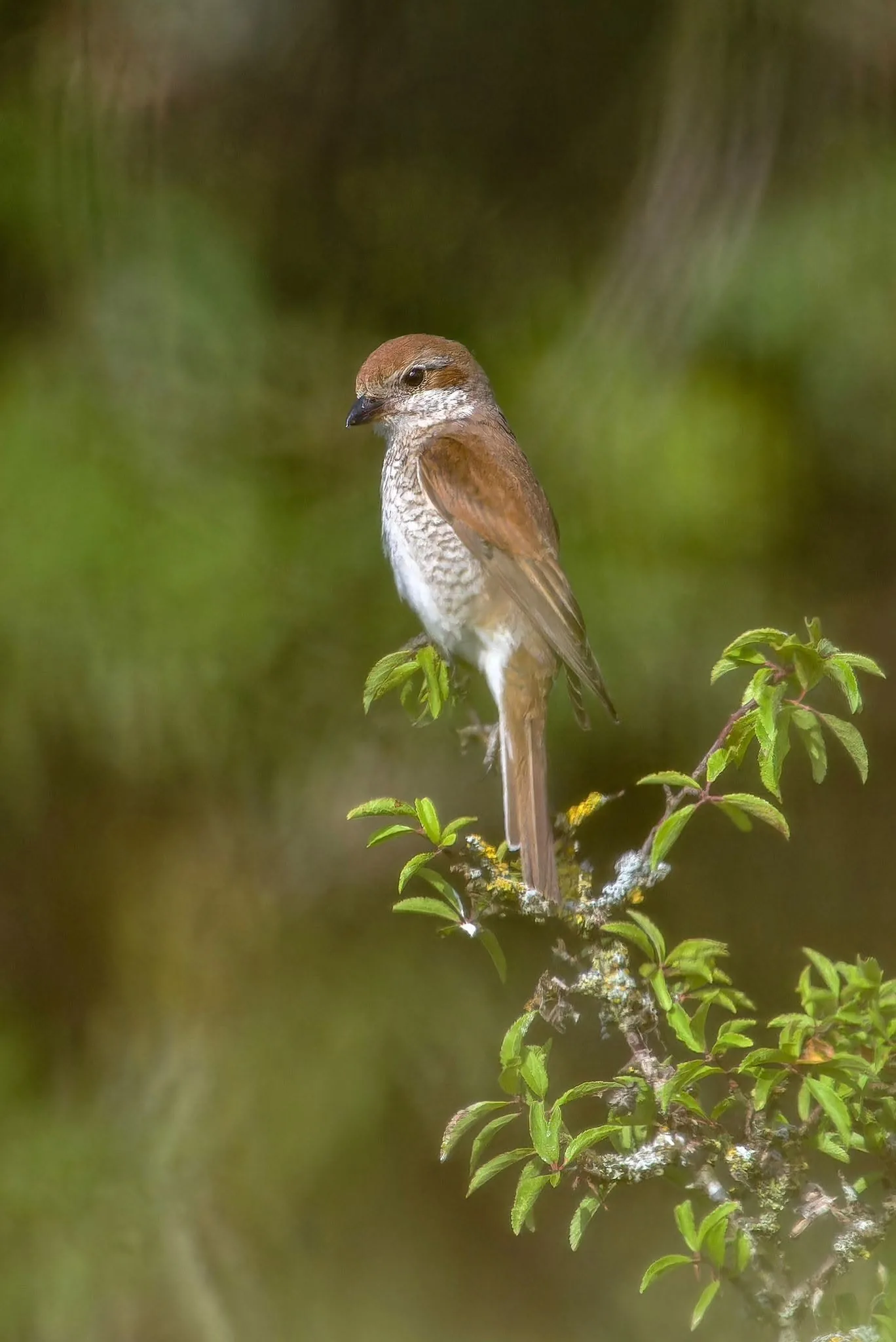
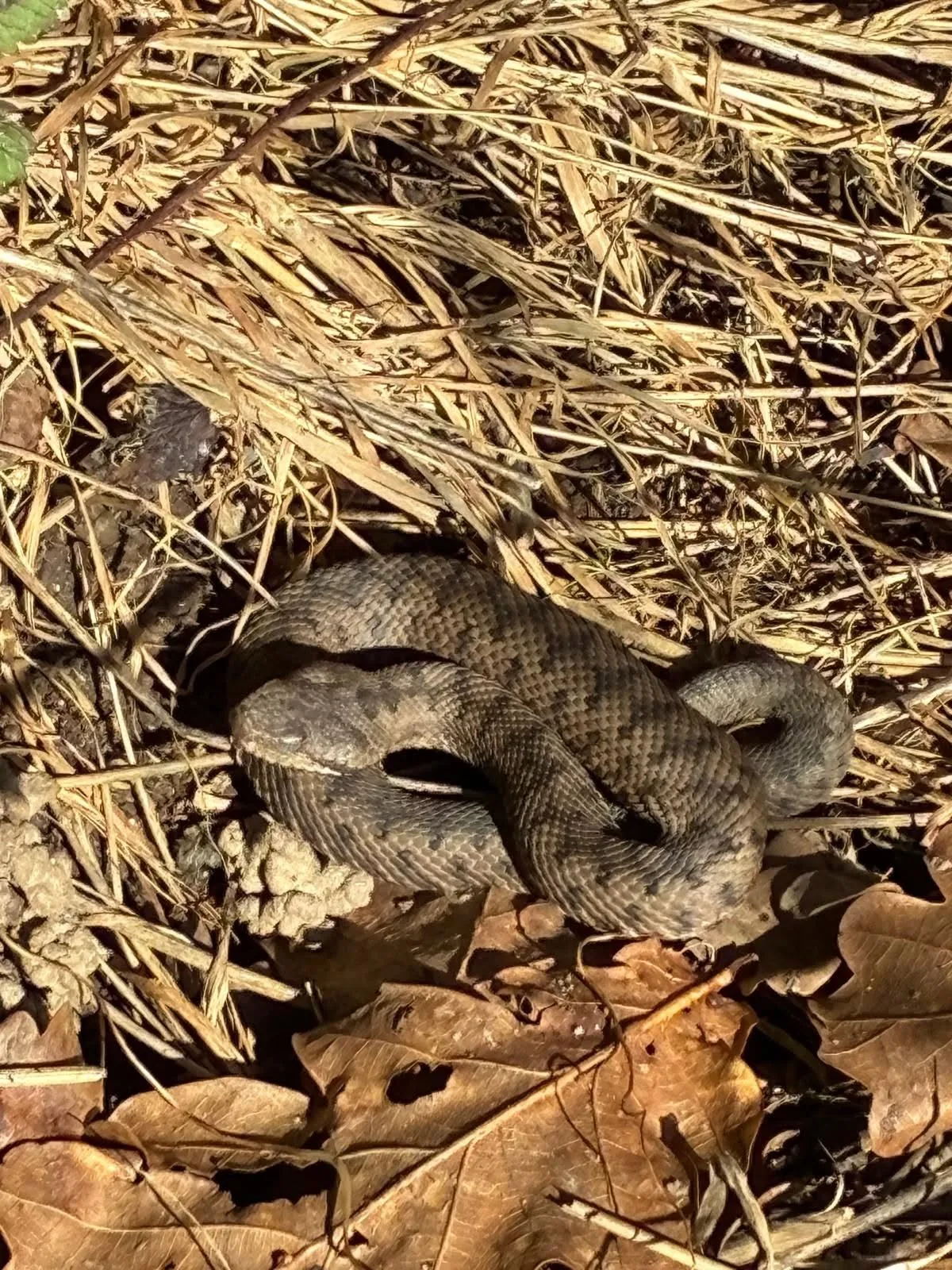
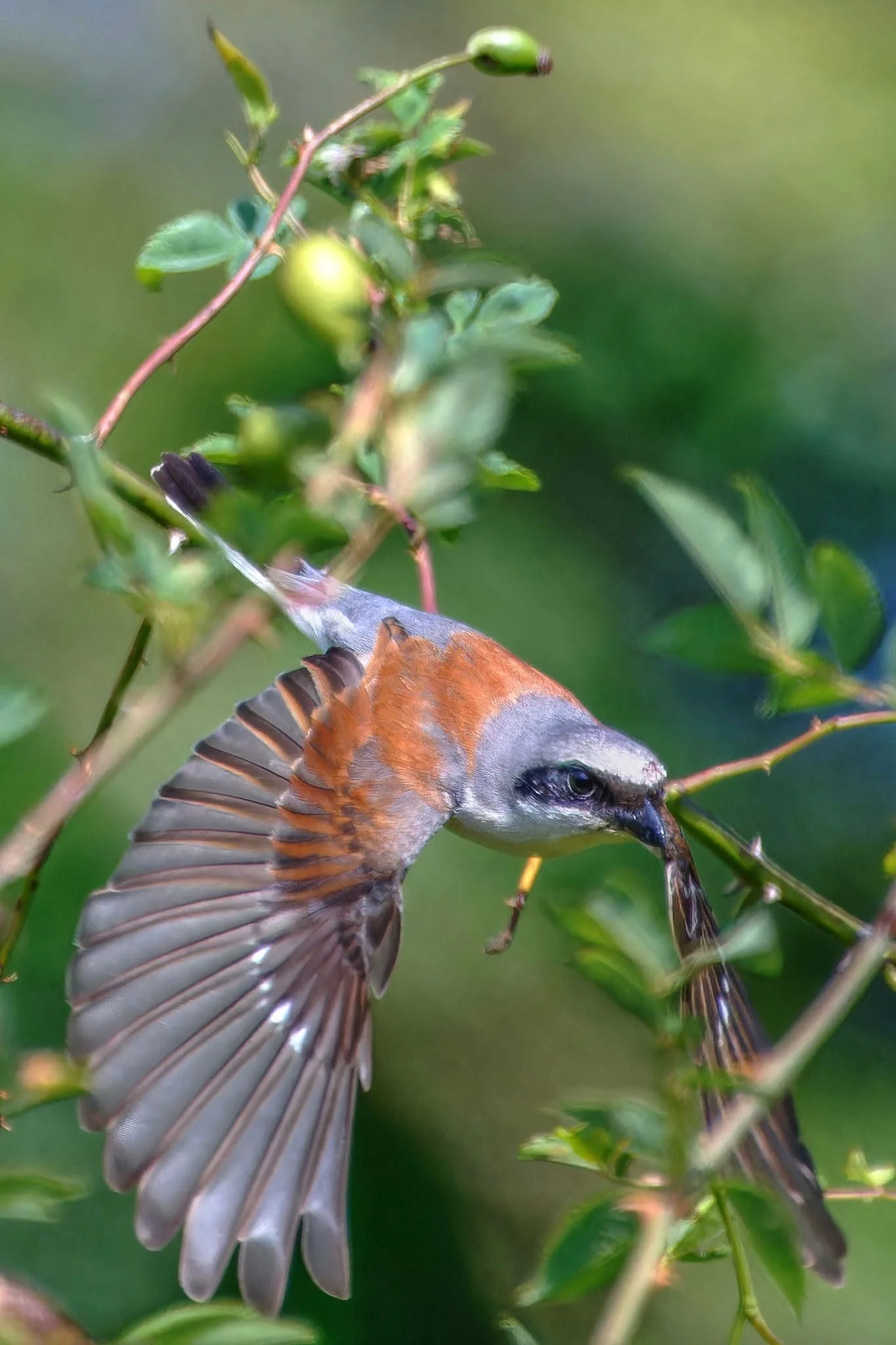
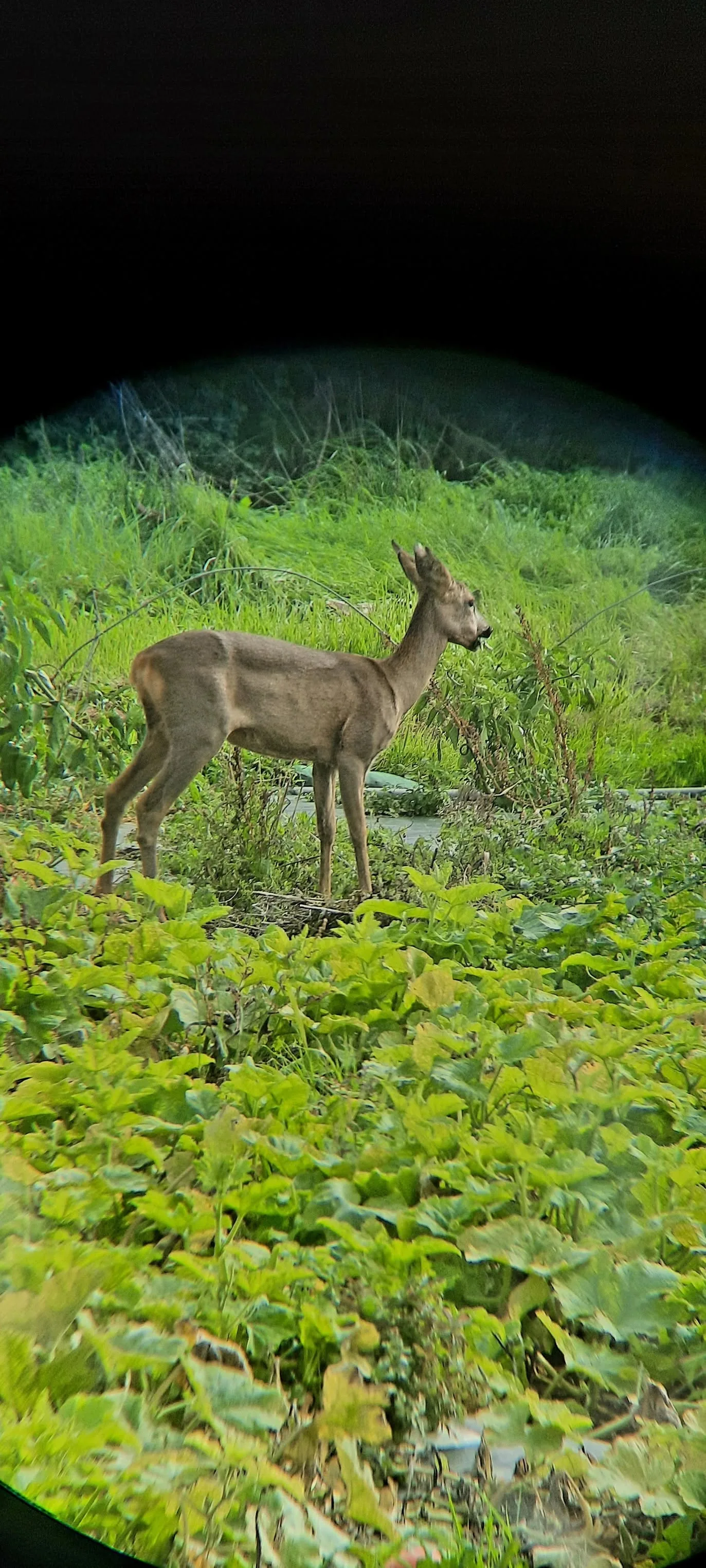
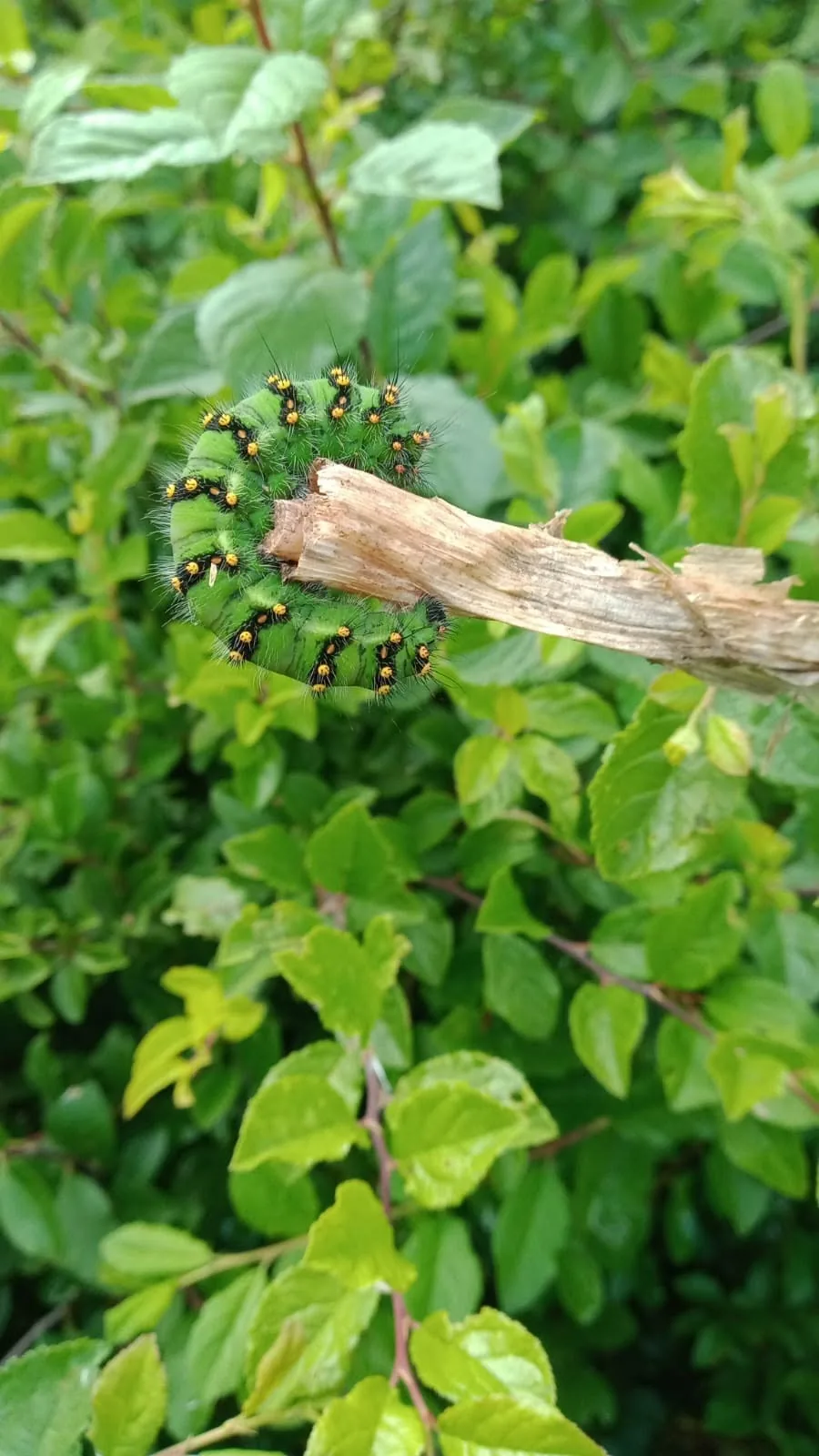
Since 2007, we have made numerous observations in the garden and gradually honed our naturalist’s eye. There are still at least a thousand things left to learn; we are always filled with wonder when, round a corner of a raised bed, we come across a praying mantis or a stag beetle, or hear a buzzard calling above the copse. For several years, a pair of red-backed shrikes took up residence in the brambles in the donkeys’ field. Nature walks are always a pleasure, helping us to get to know our surroundings better and the other living creatures with whom we share our environment.


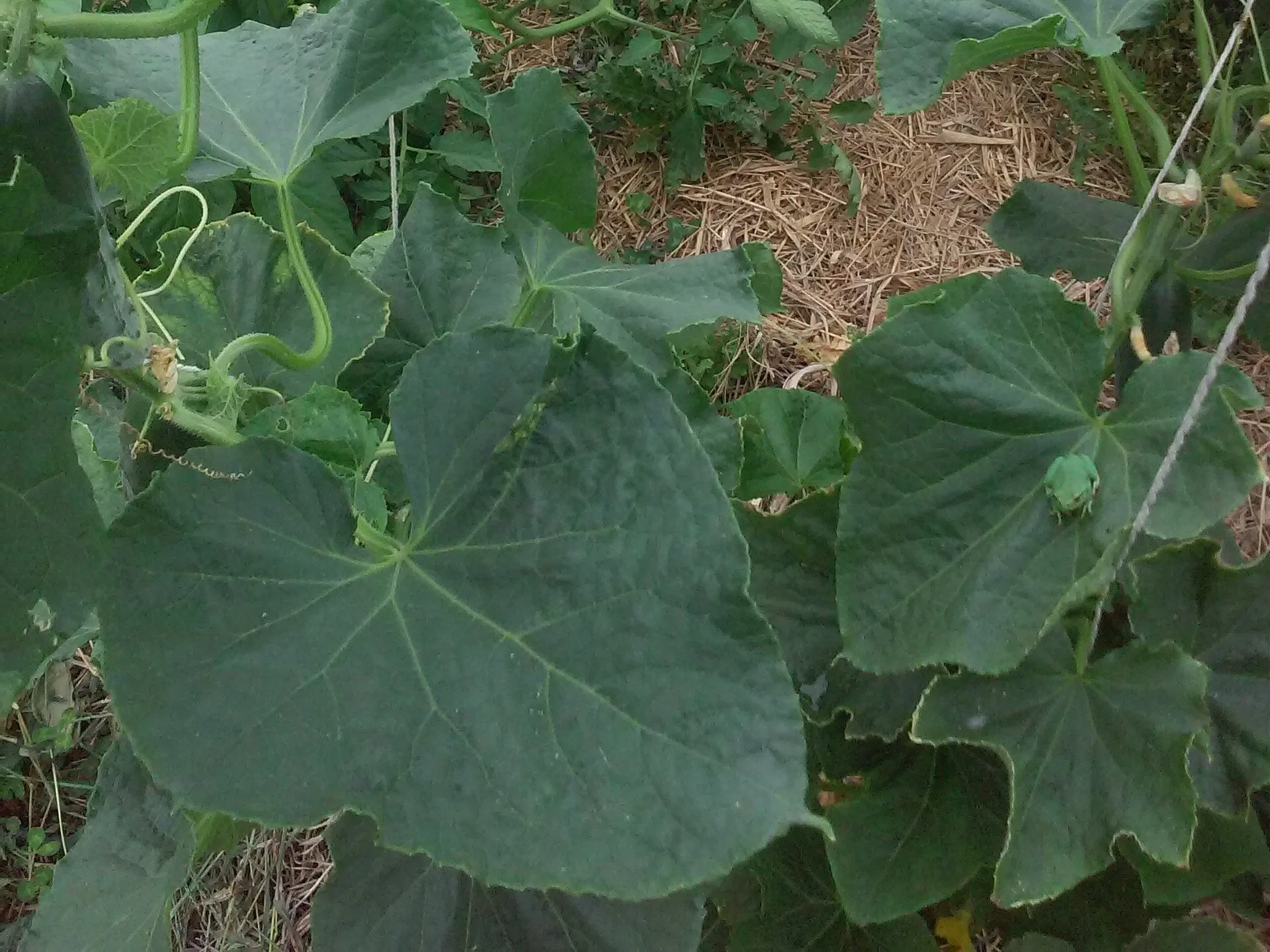
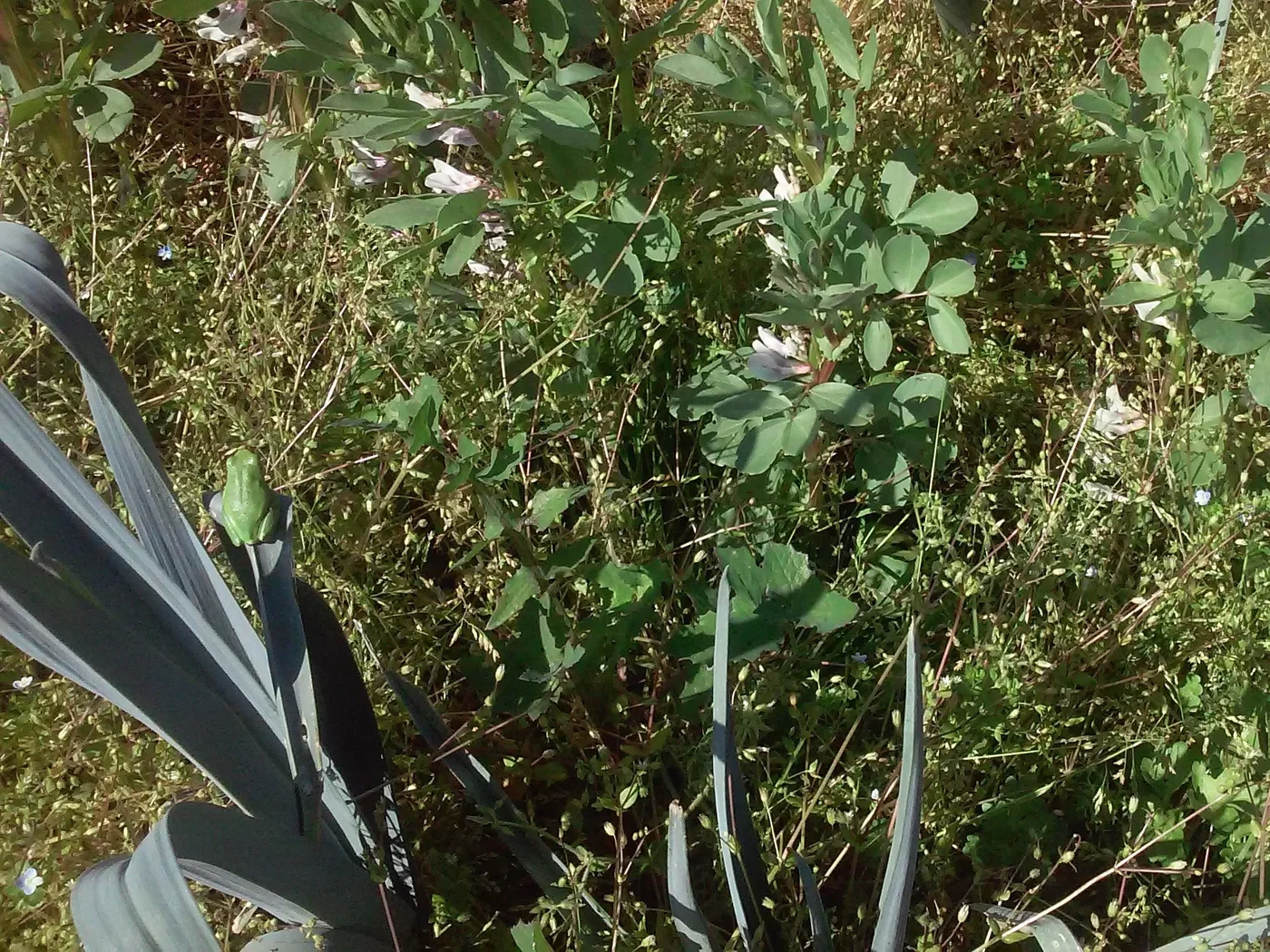
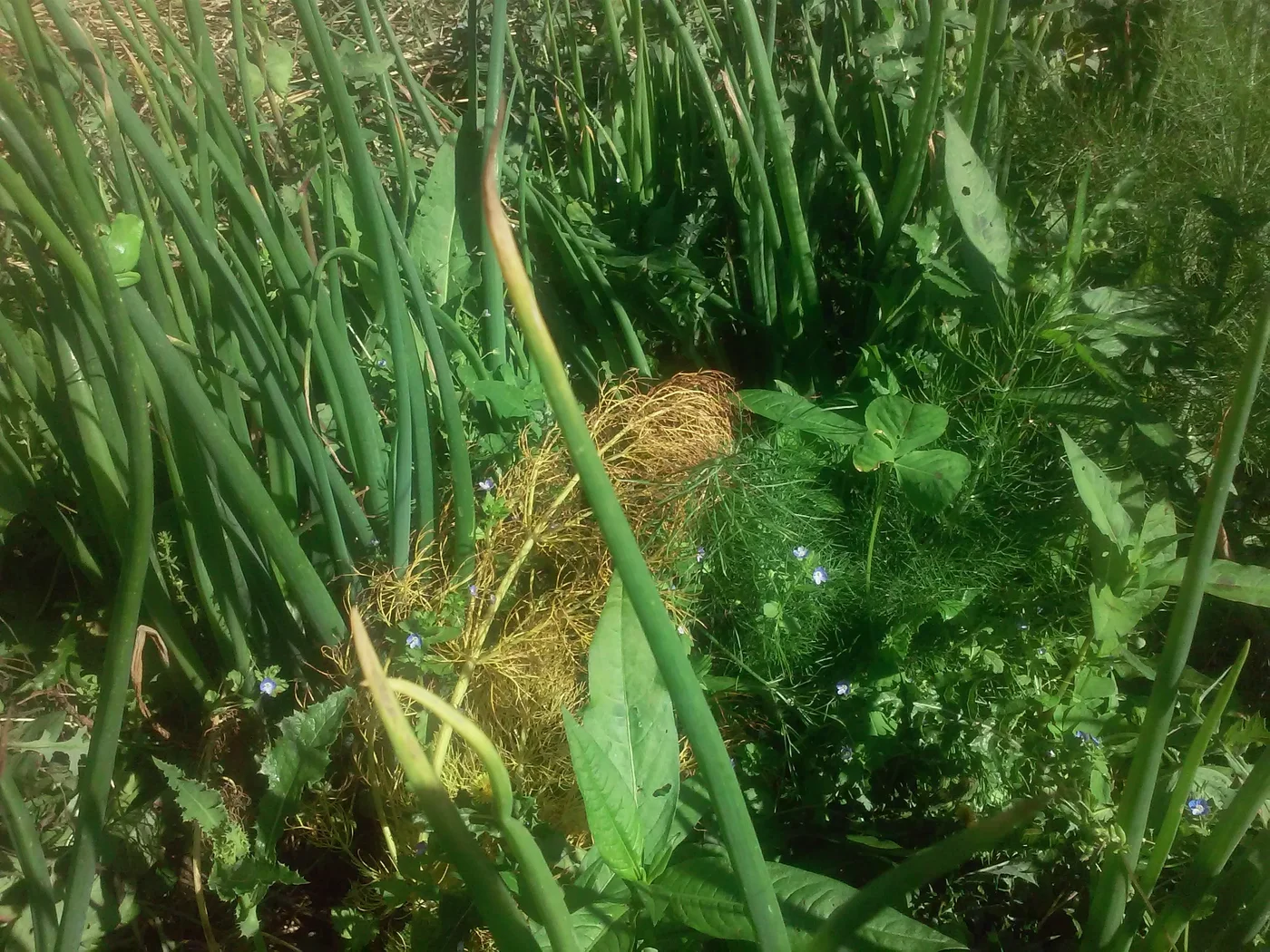
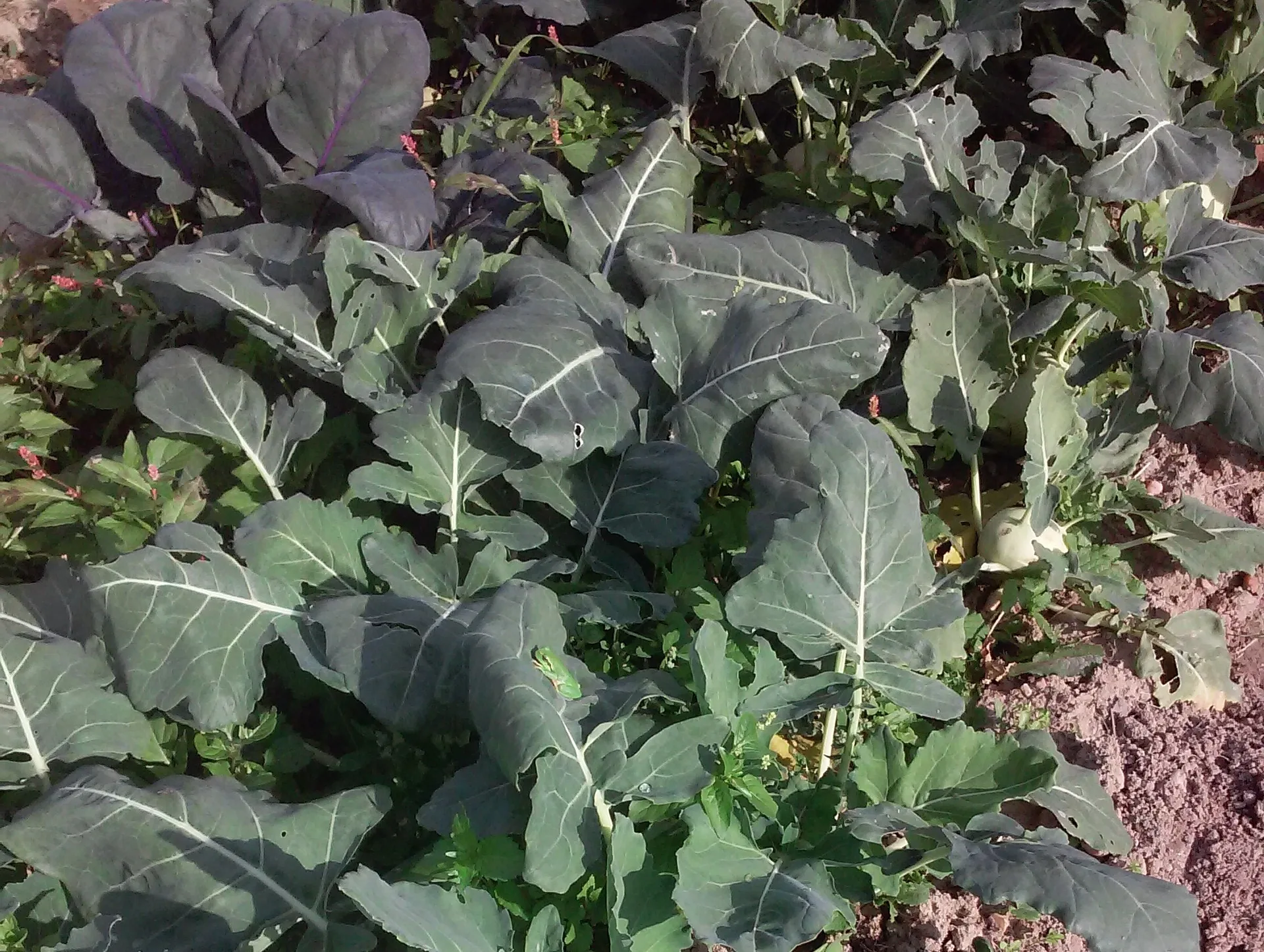
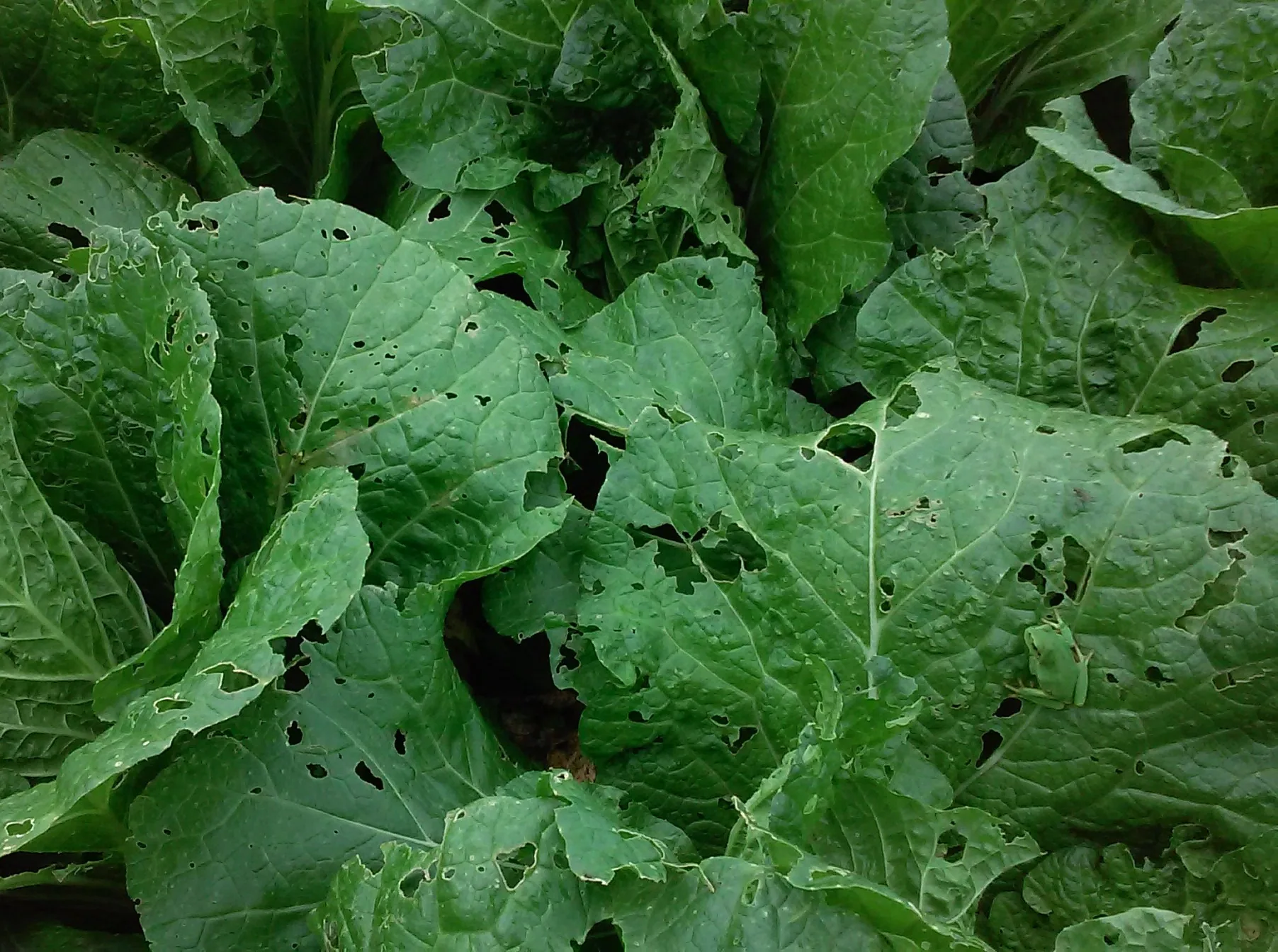
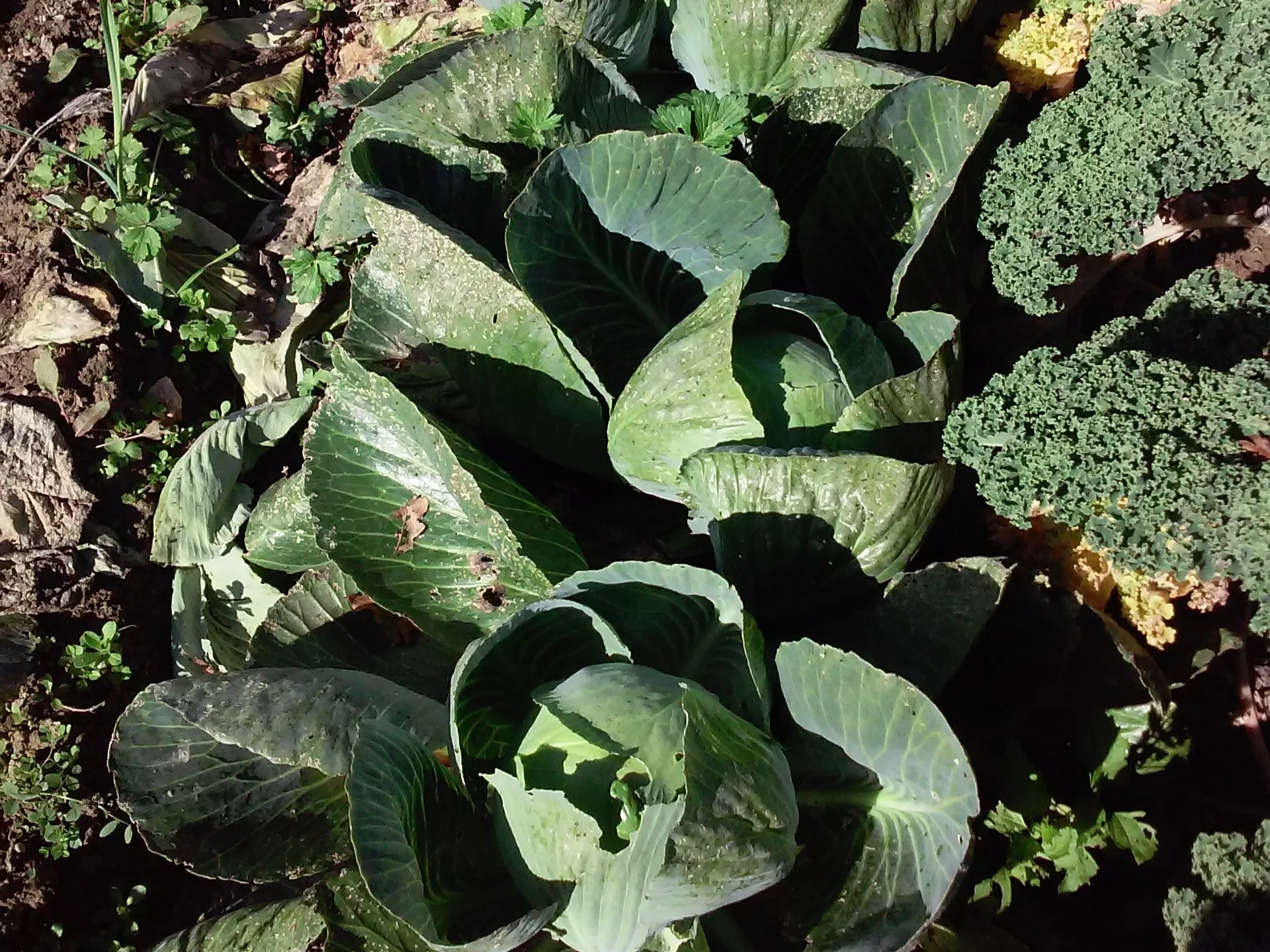
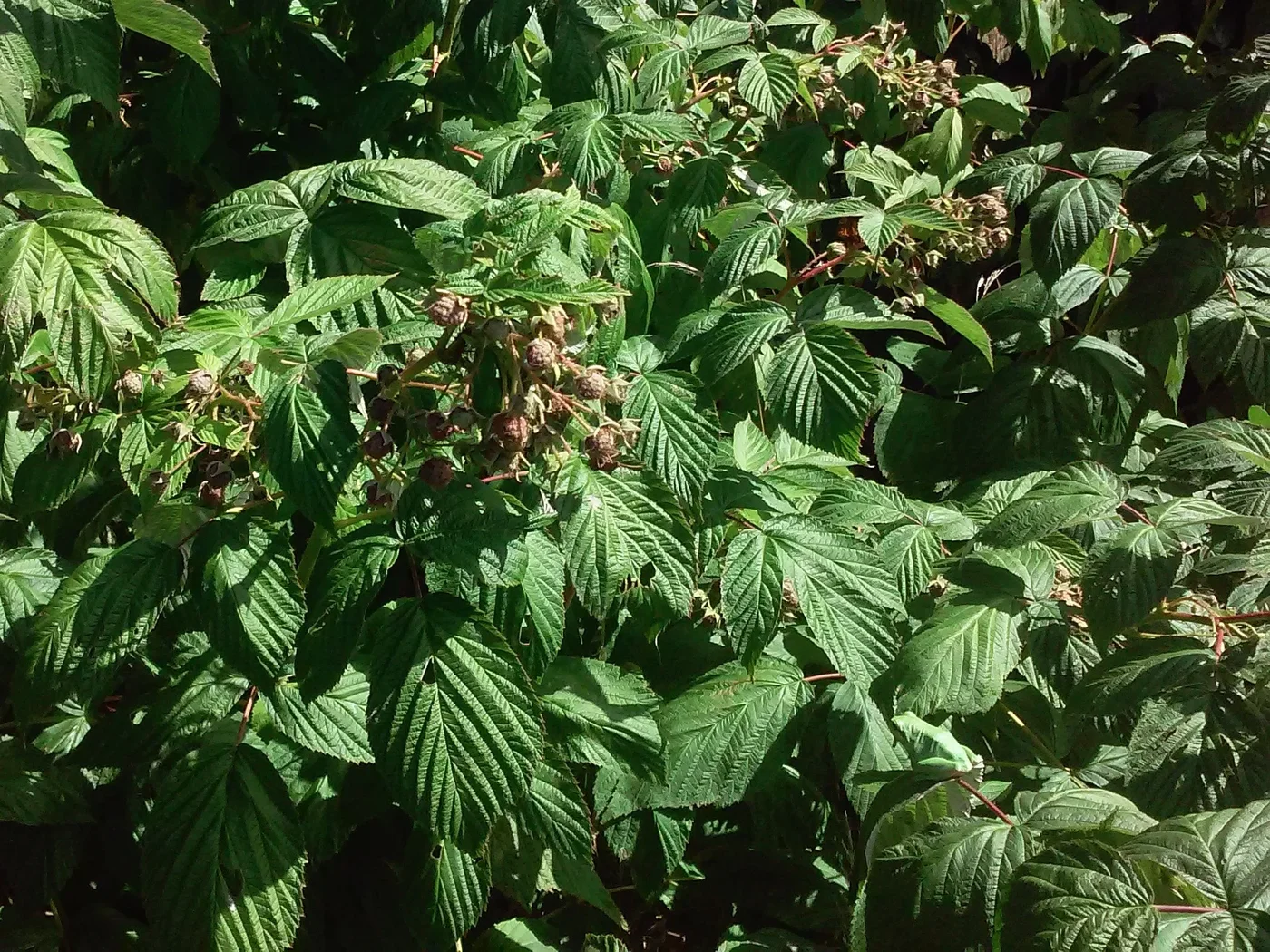
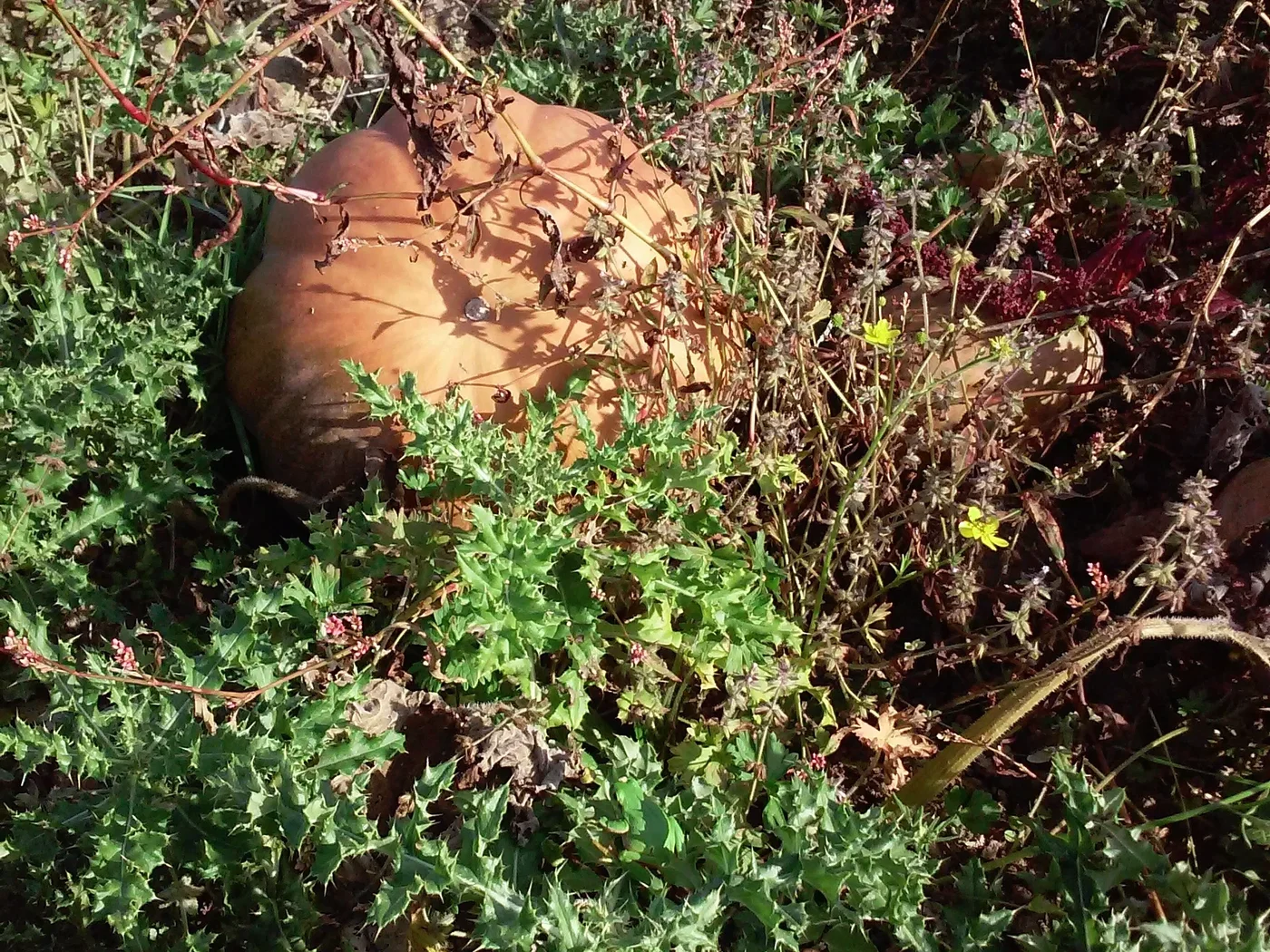
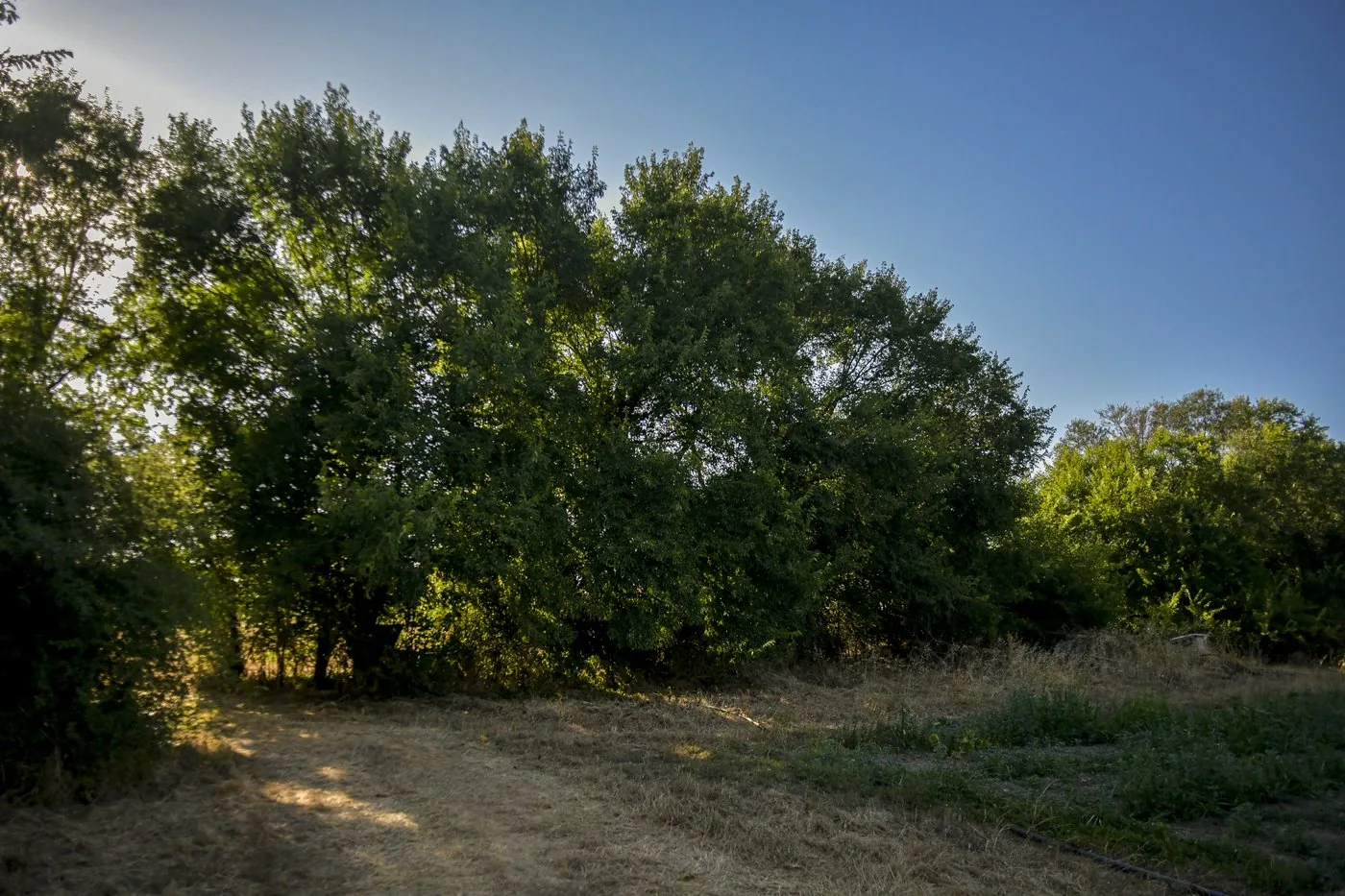
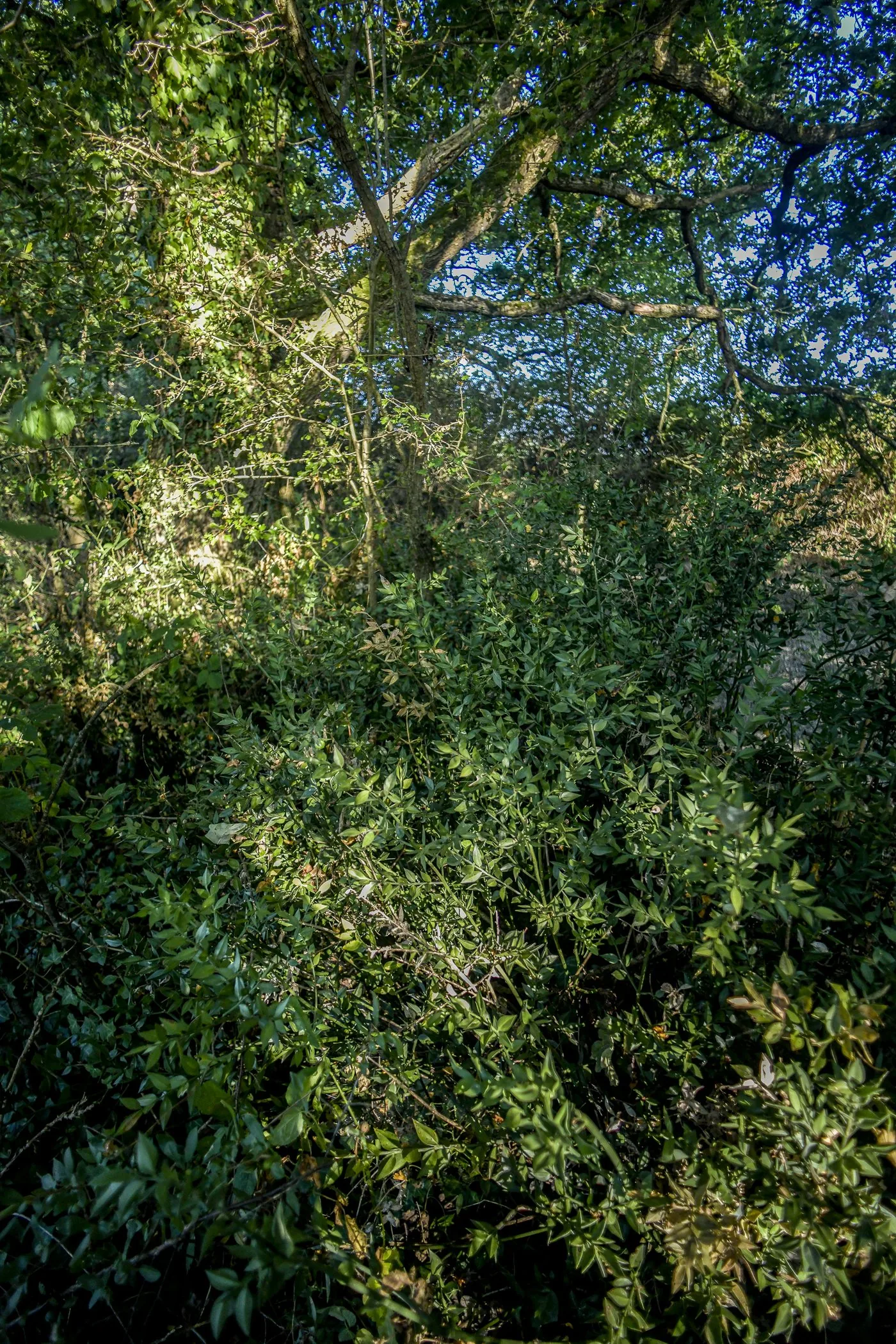
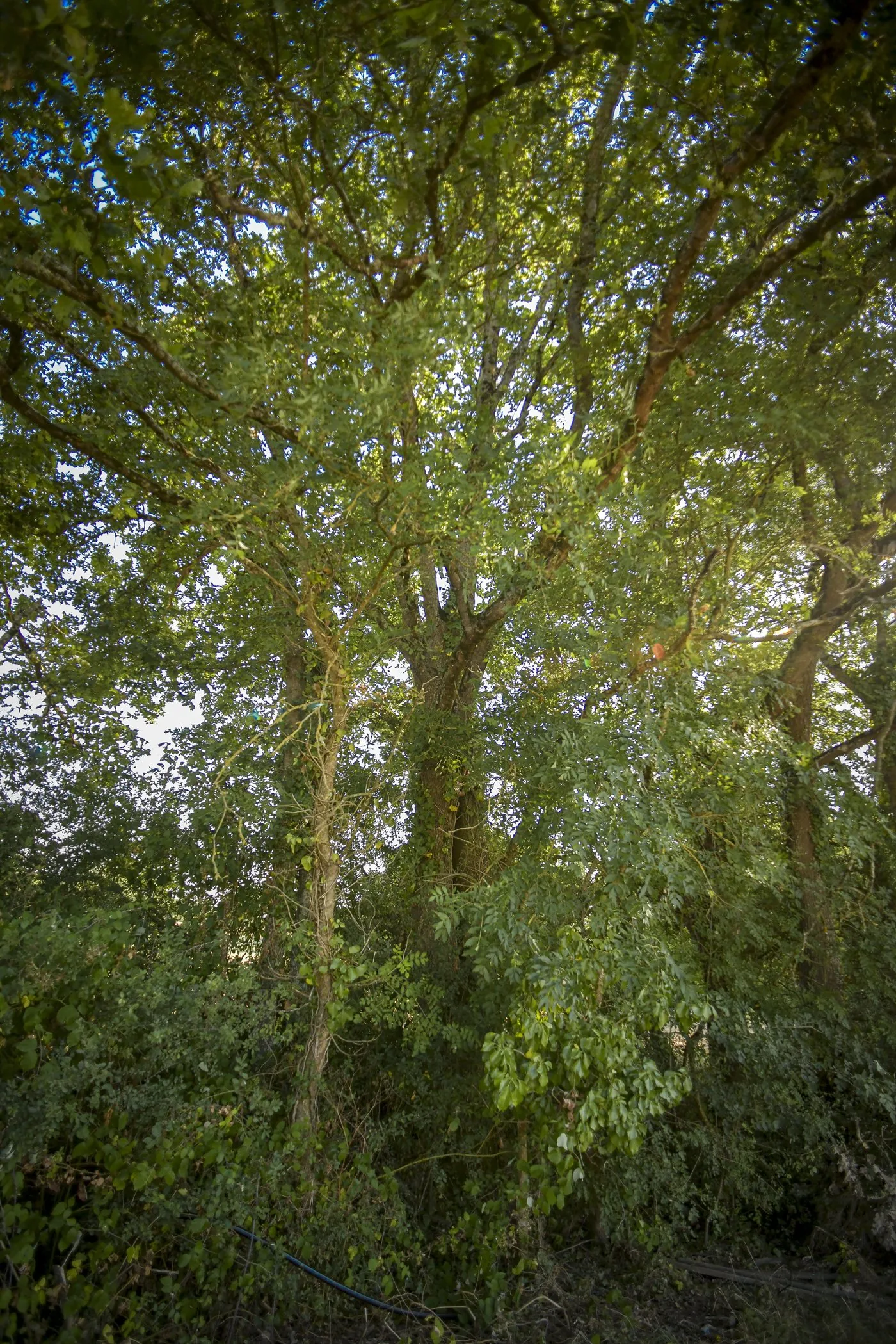
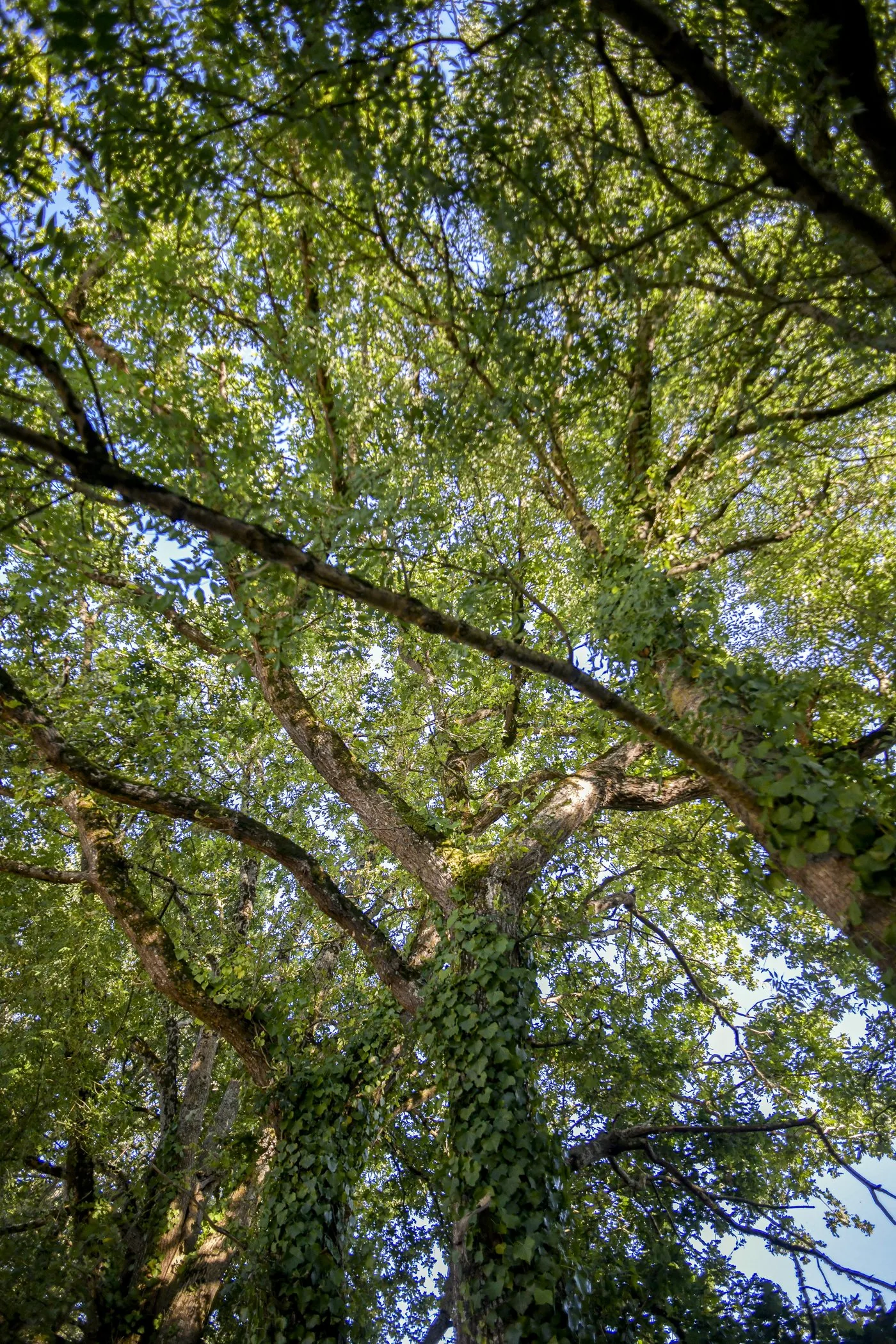
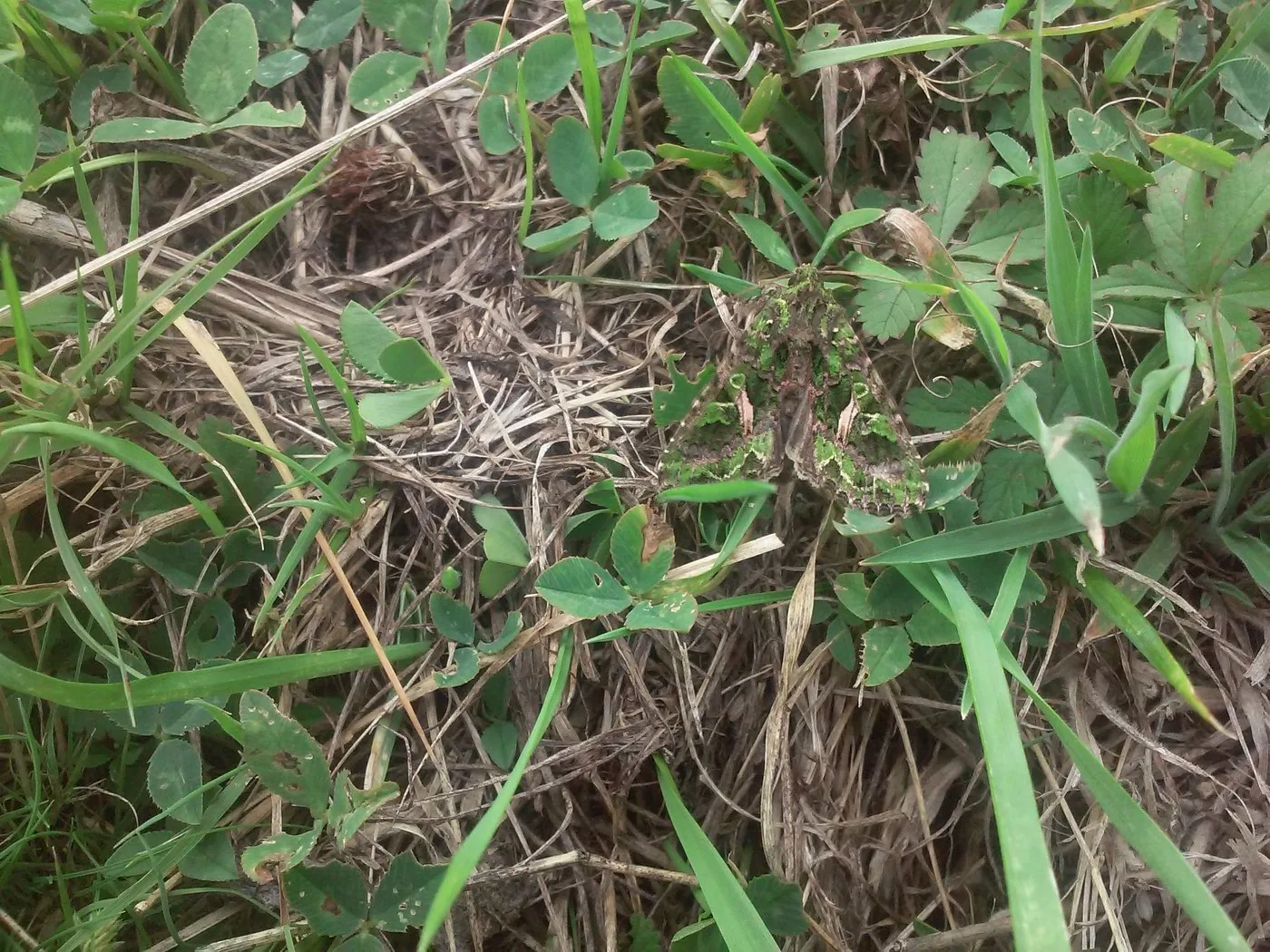
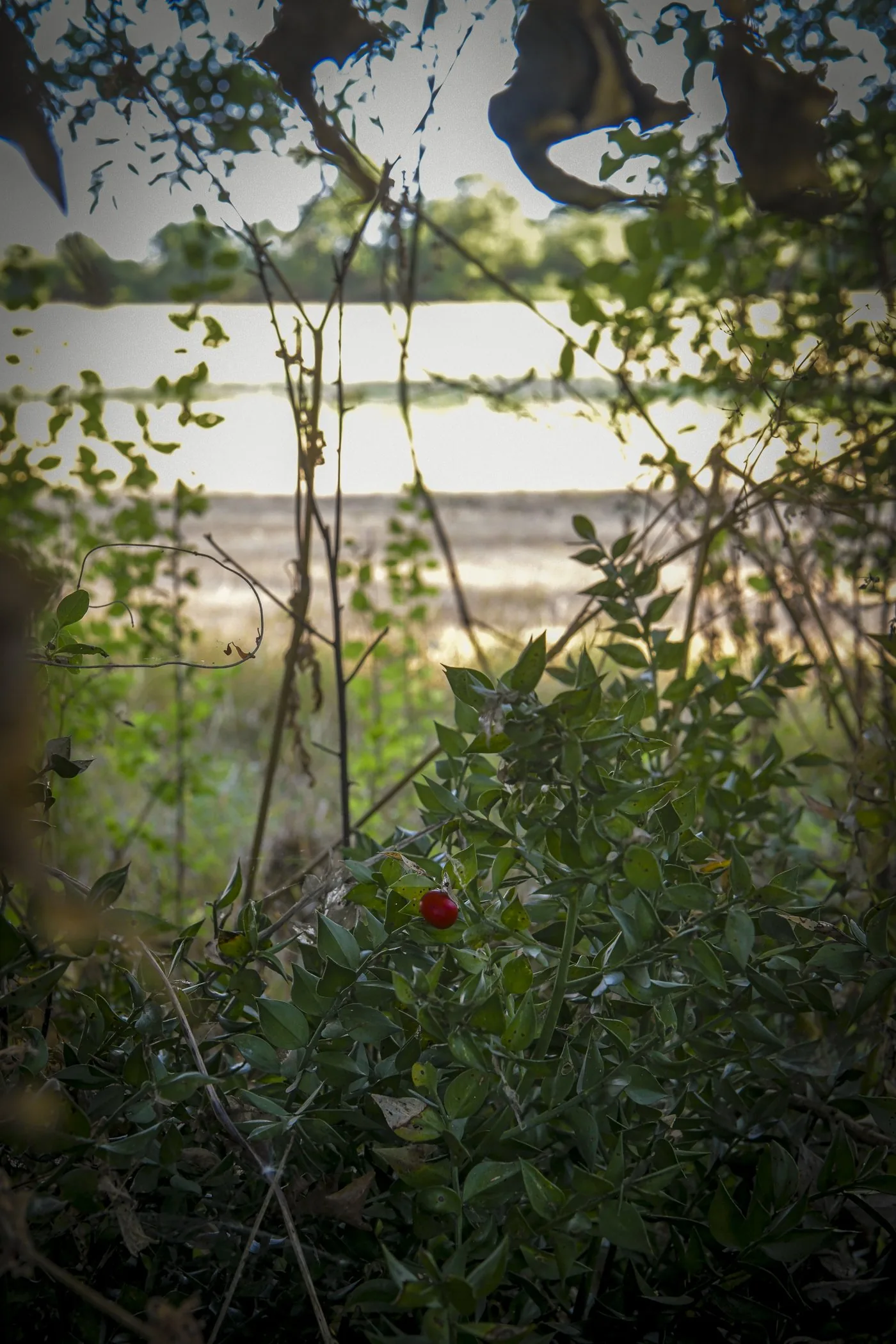
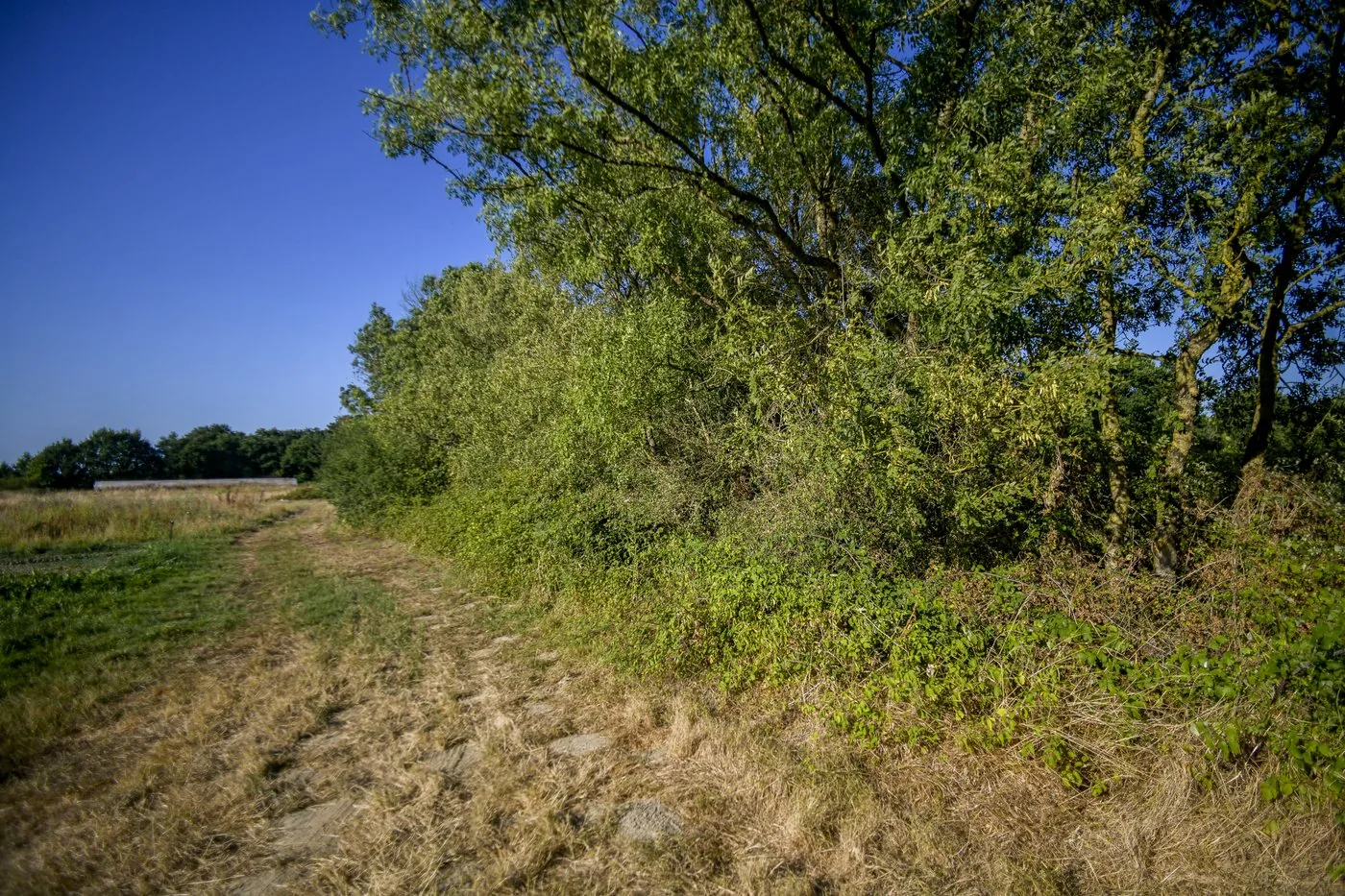
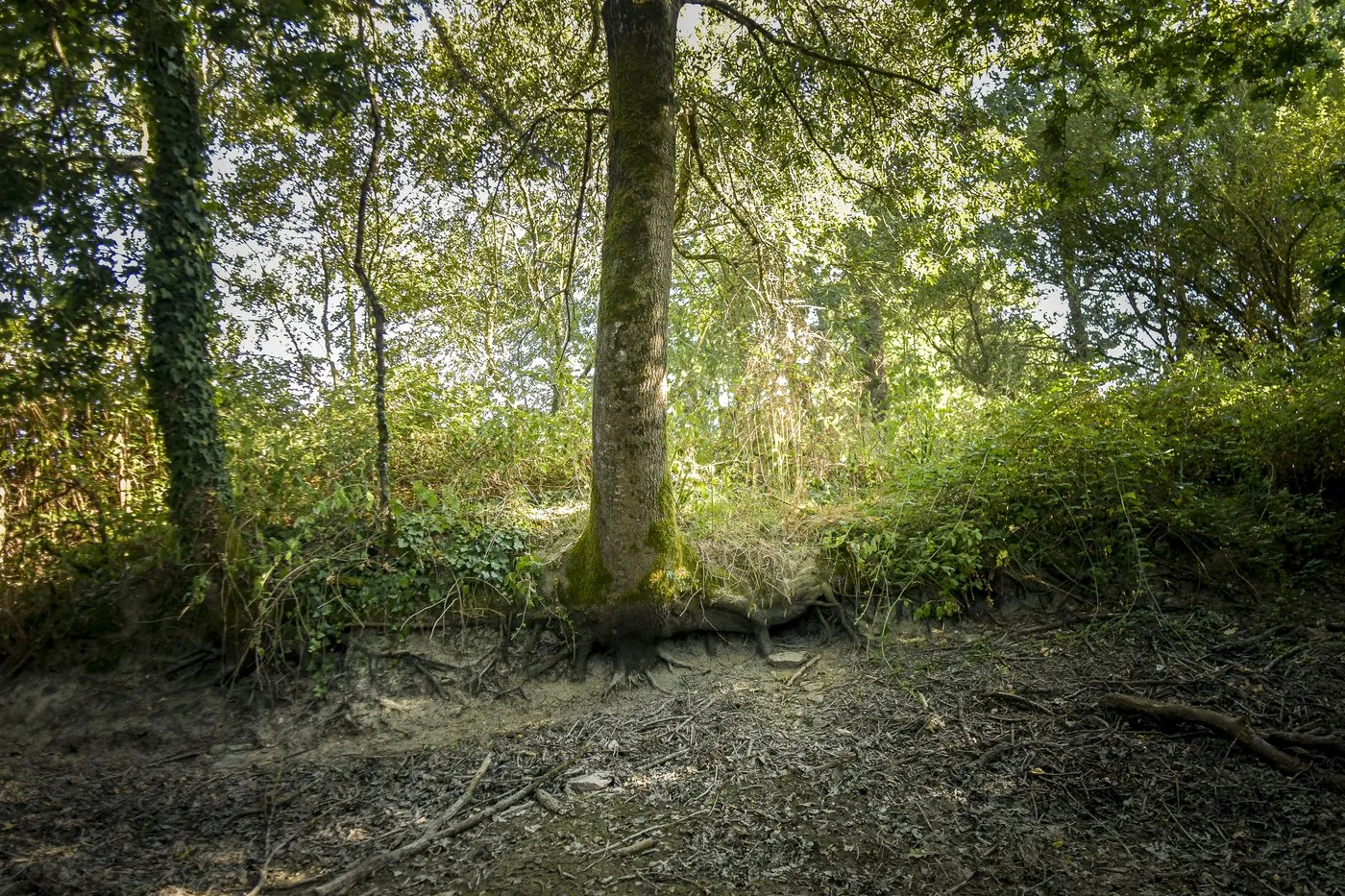
We’ve been spotting tree frogs for several years now, and Yannick has been photographing them, so here’s a little game to practise spotting them: find the tree frog in each photo and click on it when you spot it! (I promise it won’t jump right out at you!)
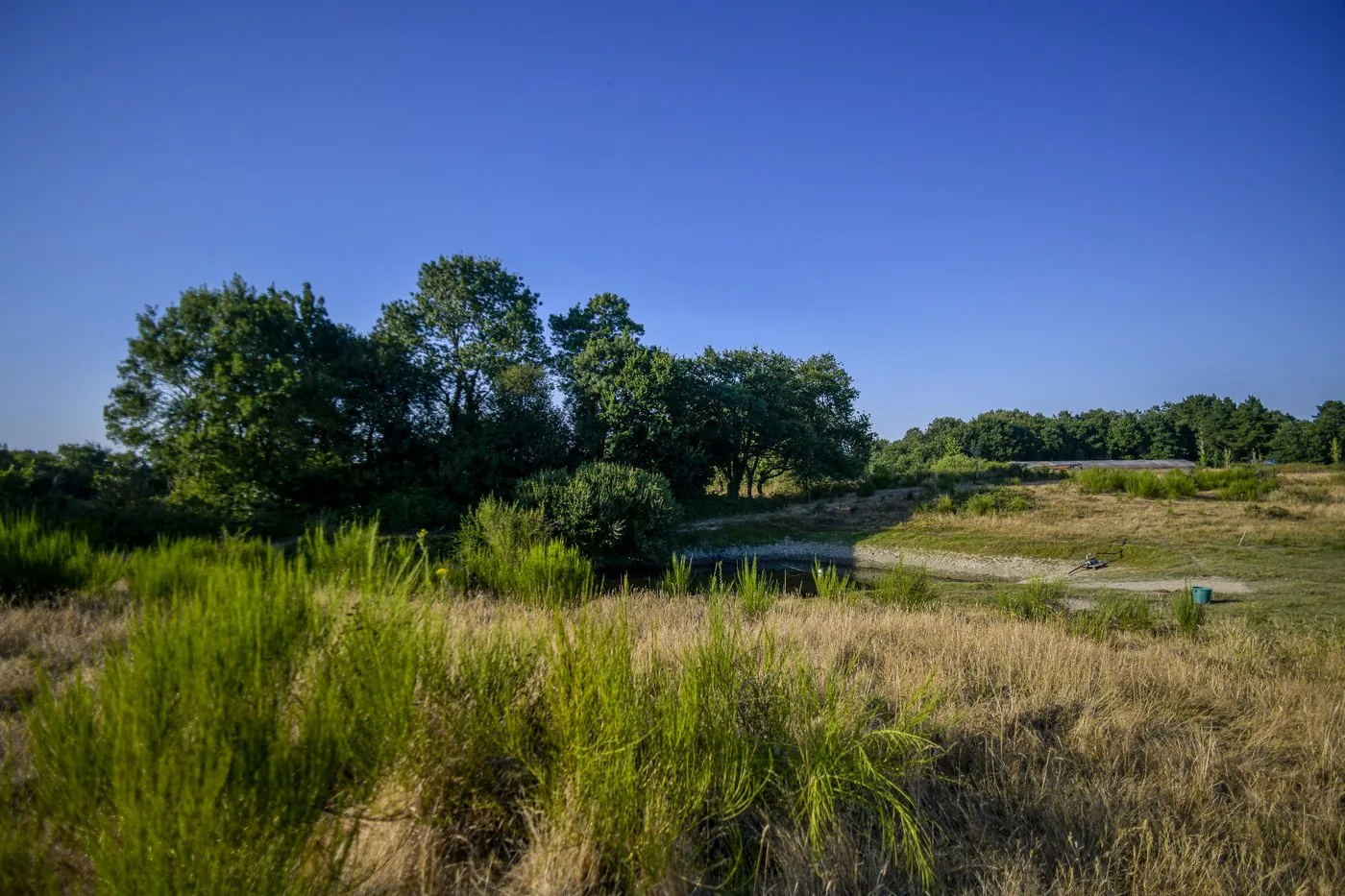
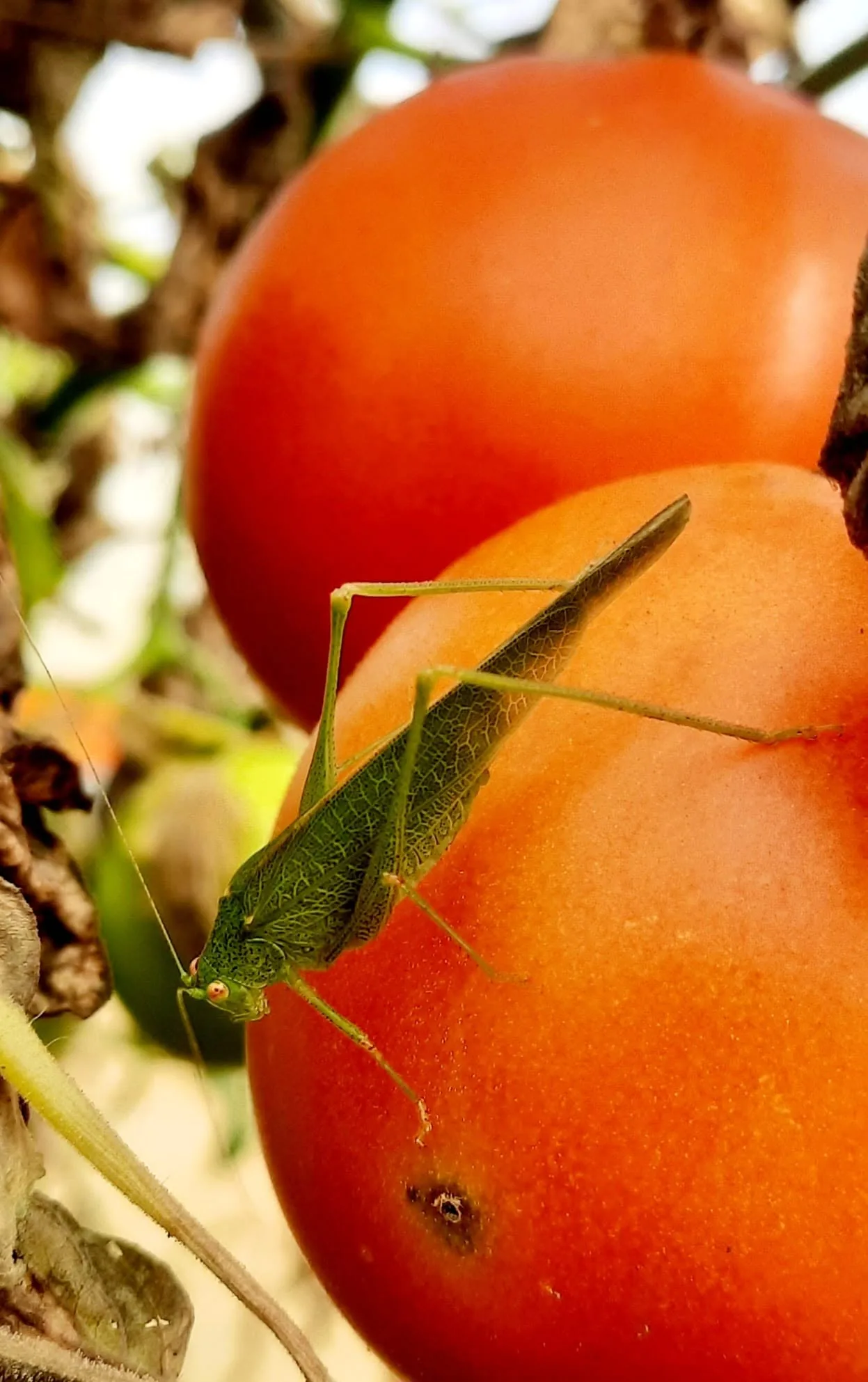
A brief round-up of our wonderful sightings and the other species we share our land with


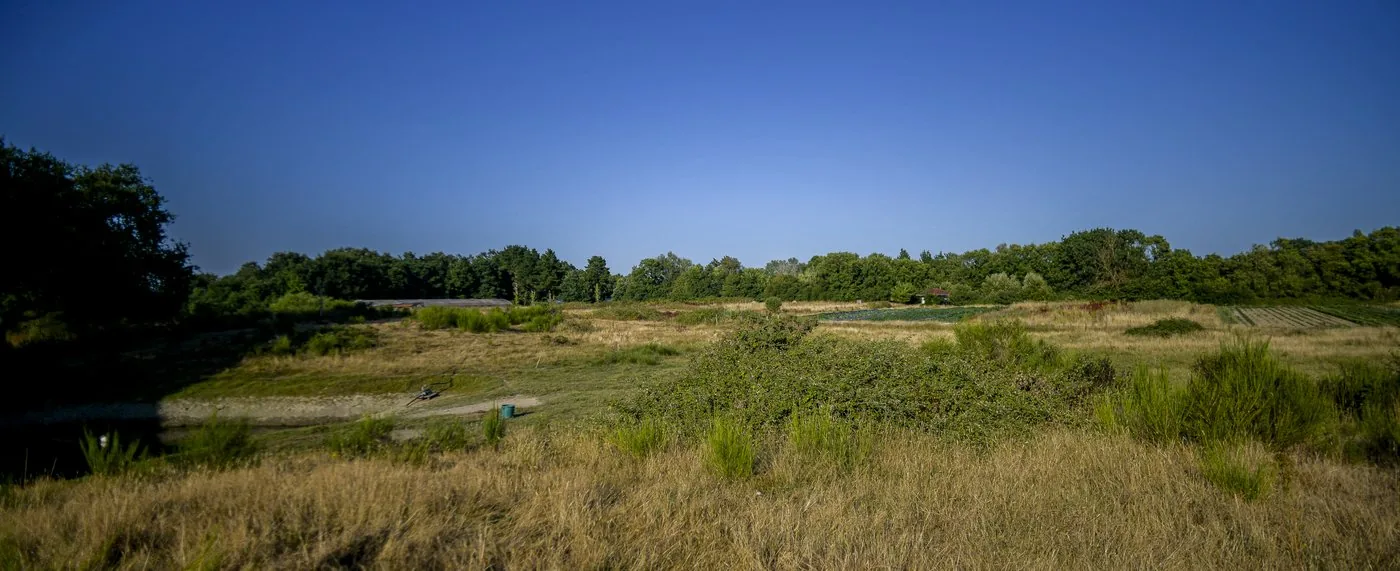
Le Jardin de la Bardonnière employs gentle agricultural practices, including marsh hay mulch, minimal tillage, cover crops and the creation of wild hedgerows. The farm covers 5 hectares and is a member of the ‘Paysans de Nature’ network. Le Jardin de la Bardonnière partners with the LPO Vendée to organise regular nature walks.
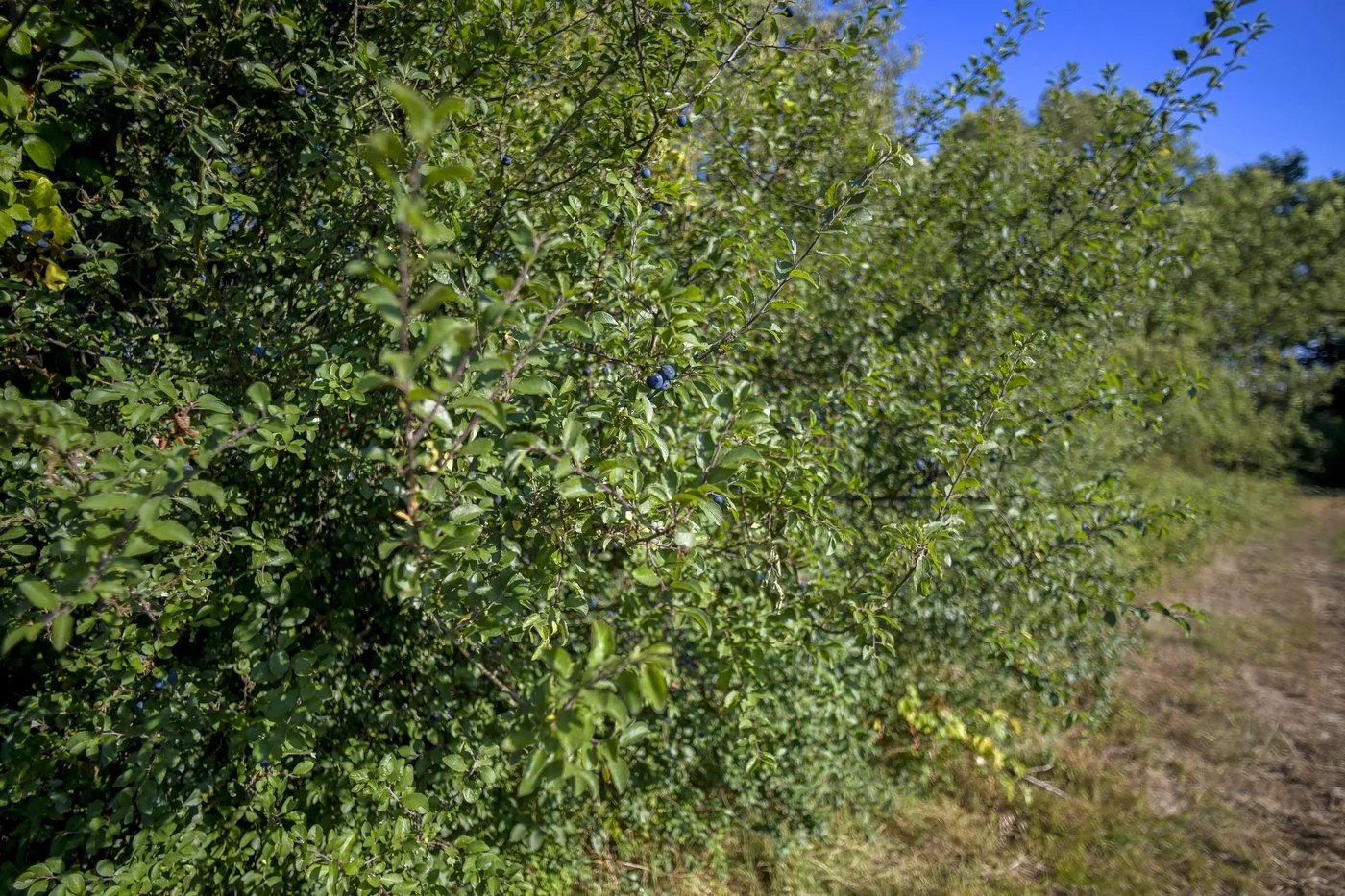
Le Jardin de la Bardonnière is a member of Paysans de Nature: the farm’s 5 hectares are dedicated to the active conservation of wild flora and fauna, integrating biodiversity as an ally of crop cultivation. This network brings together farmers who are restoring wild habitats on their farms.
Yes, Le Jardin de la Bardonnière partners with the LPO Vendée to organise regular nature walks on a variety of themes (hedgerow observation, birdsong, pond observation).
Yes: exclusively dry toilets, phytopurification to manage wastewater, use of eco-friendly toiletries, etc.
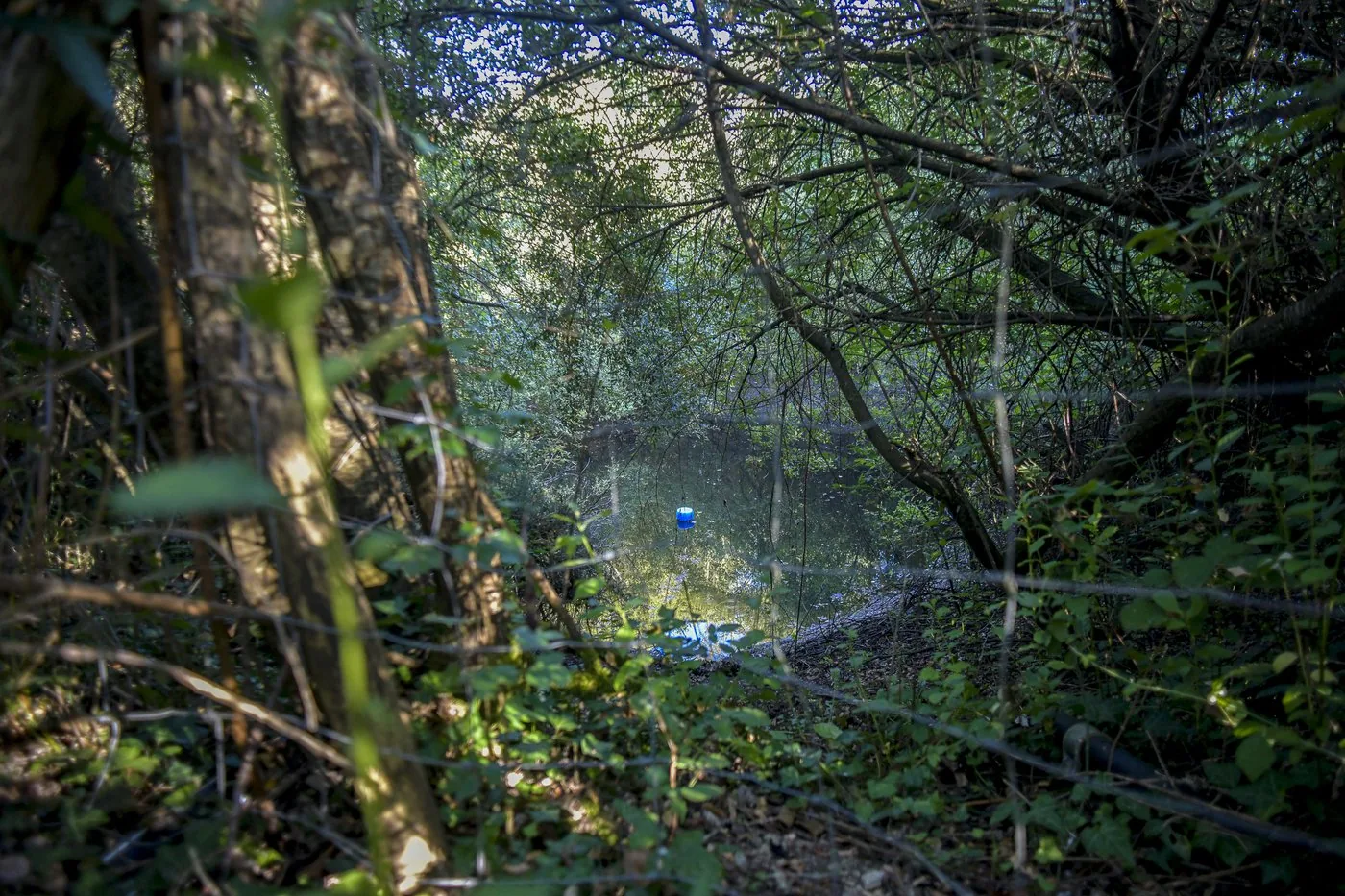
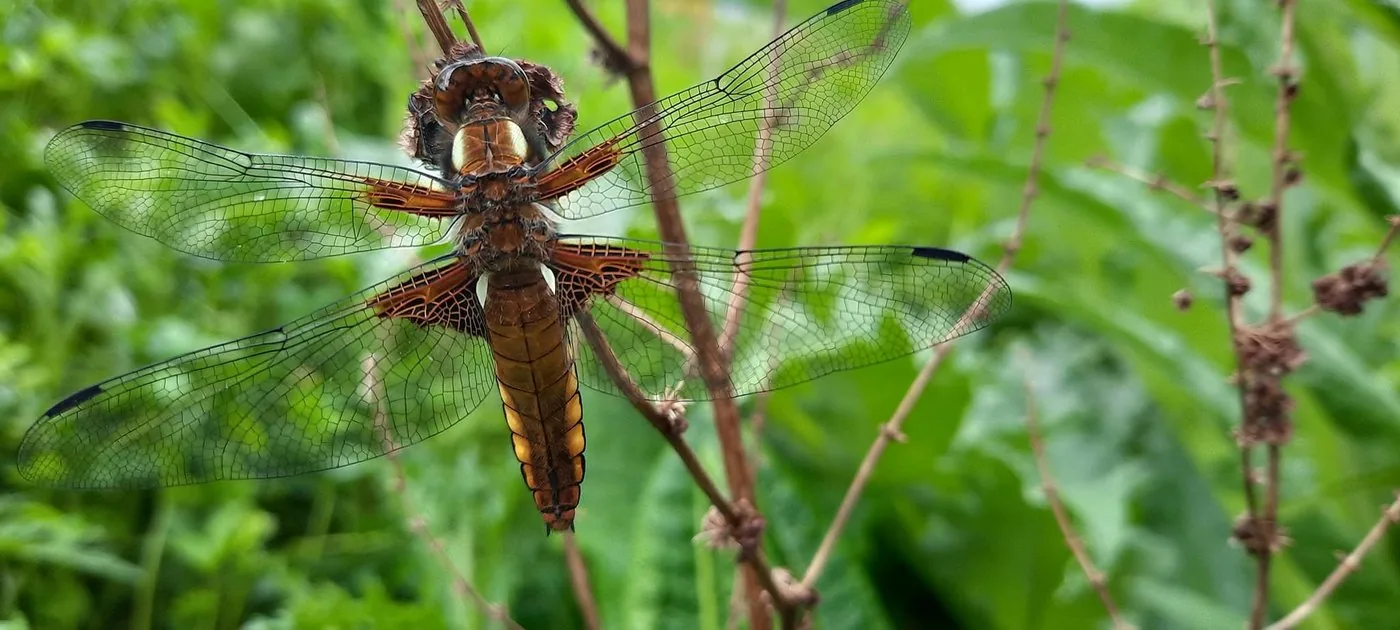
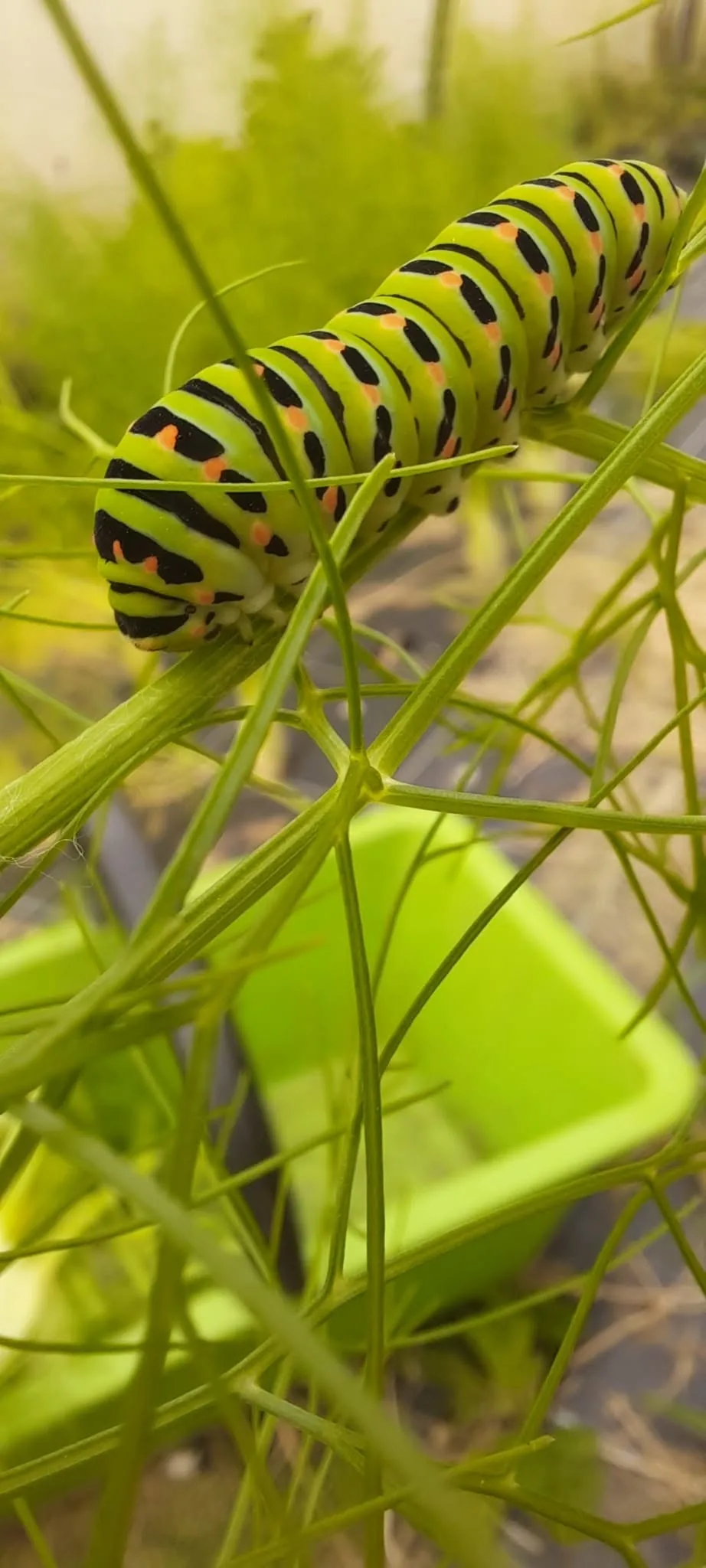
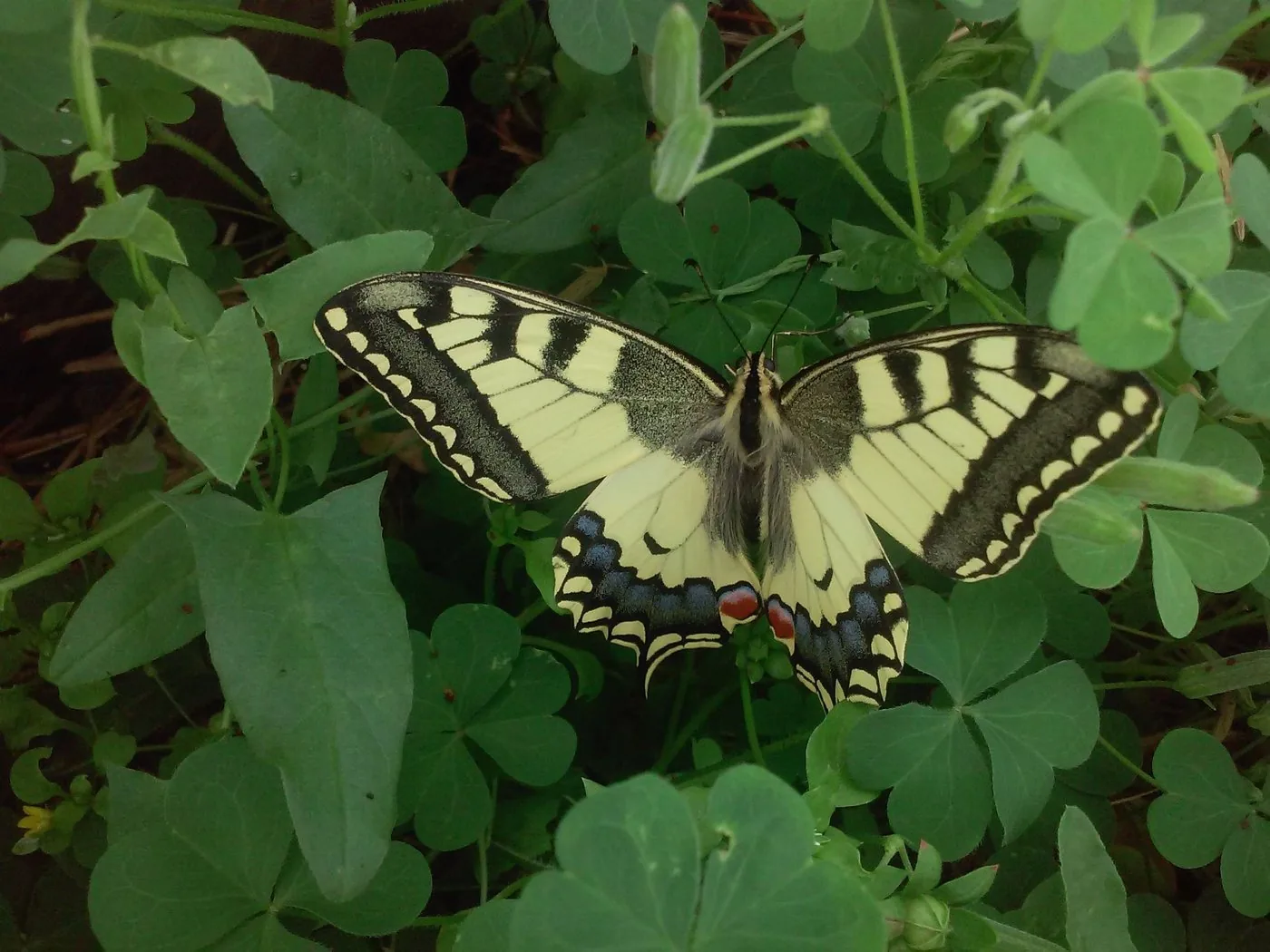
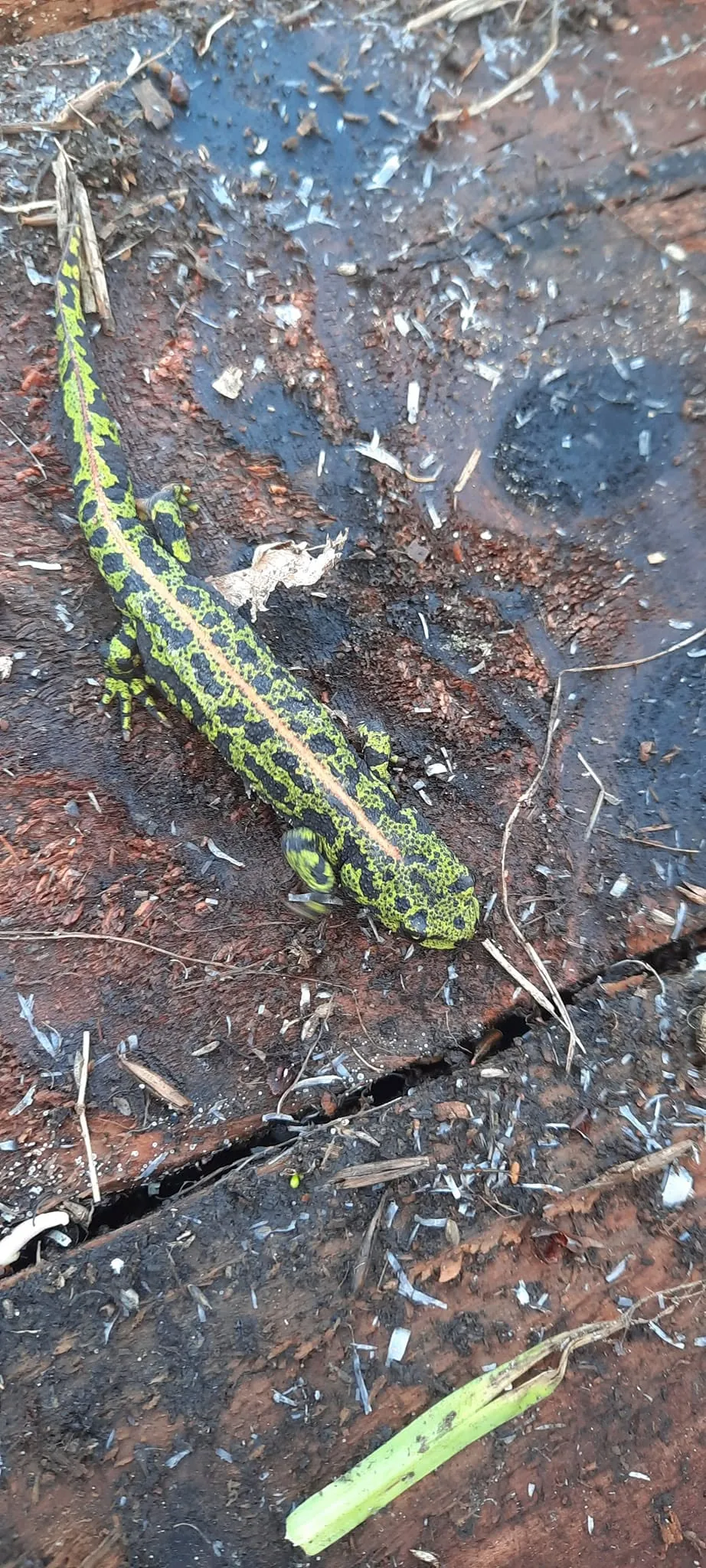
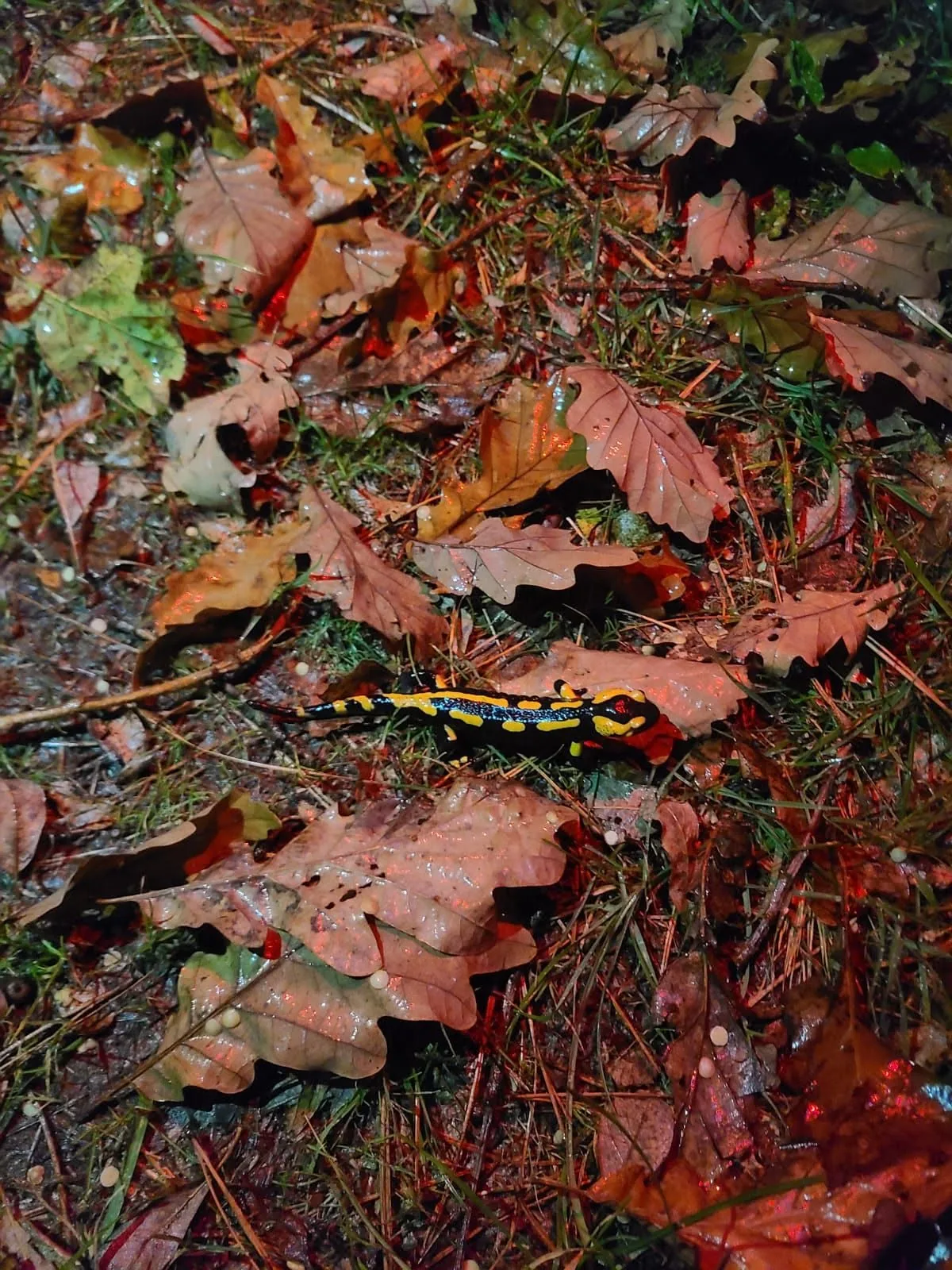
Thanks to the natural ponds and preserved hedgerows, the site is home to iconic species: the tree frog, the spotted salamander, the marbled newt, as well as breeding birds such as the multivocal warbler. You can also spot swallowtails, rose chafer beetles and dragonflies here.